Enbridge Straits Maritime Operations Center (ESMOC) cameras provide guidance, help USCG pinpoint location
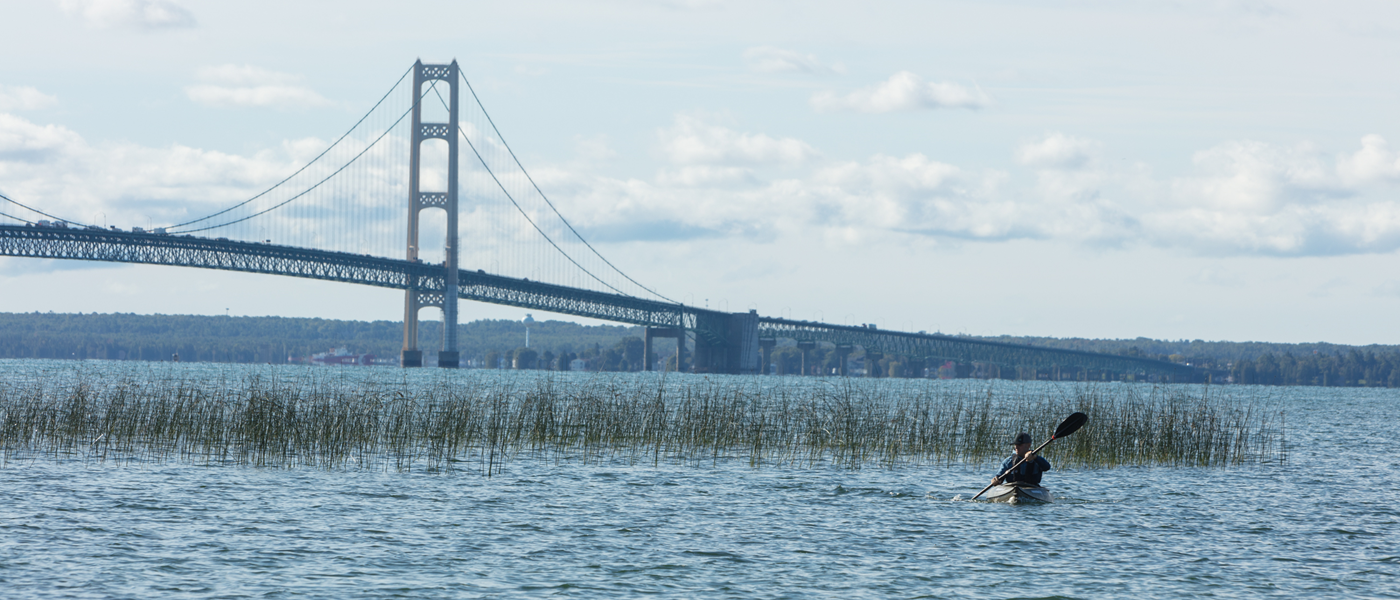
Imagine you’re a kayaker in the Straits of Mackinac.
You get tired, and your kayak is caught in the undulating waves between Lake Huron and Lake Michigan.
What would you do?
If you’re lucky, the U.S. Coast Guard (USCG) springs into action, finds you and rescues you.
Even for the experienced USCG, though, it can be hard to spot someone in the waves. You’re a speck in the vast water landscape.
So, how do they find you?
During a July 16, 2026 event, the USCG received some timely help from Enbridge.
The call for help
At the routine change of shift that day, staff from the Enbridge Straits Maritime Operations Center (ESMOC) overheard an urgent U.S. Coast Guard alert notifying mariners of a serious situation requiring assistance.
The alert reported a kayaker in distress approximately one mile offshore near Mackinaw Mill Creek Campground in Cheboygan County. The campground sits approximately three miles southeast of the iconic Mackinac Bridge along the Lower Peninsula coastline.
The Straits of Mackinac, which connect Lake Michigan and Lake Huron, have some of the most dynamic and unpredictable currents in the Great Lakes, with water flow direction known to reverse depending on wind, atmospheric pressure and other factors.
Given the intense currents, deep drop-offs and the presence of an active commercial shipping channel in the Straits frequented by massive cargo freighters and passenger ferries, swimming or paddling a mile offshore is highly discouraged without specialized craft and survival gear.
The response
The USCG launched a 45-foot response boat from nearby St. Ignace, MI to follow up on the alert—and as the boat got underway, ESMOC staff immediately began scanning the area using its network of high-definition cameras and maritime monitoring systems.
Within minutes, ESMOC staff located an individual in the water alongside one of the kayaks.
While the initial report described a red kayak, ESMOC staff observed that the distressed kayaker appeared to be associated with a white or light-colored kayak and relayed that information to the responding USCG crew.
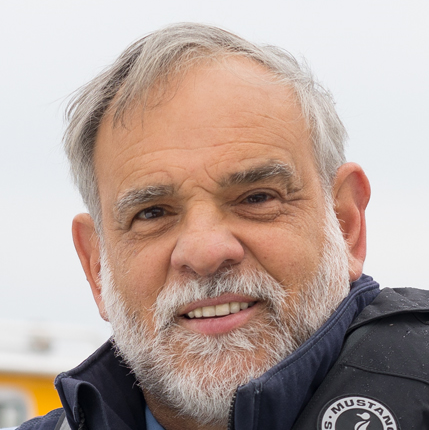
“Using ESMOC's elevated vantage point and comprehensive maritime monitoring capabilities, our team maintained visual contact with the kayaker and the responding Coast Guard vessel,” said Mike Davanzo, a retired U.S. Coast Guard Captain and Enbridge maritime operations specialist for the Great Lakes region.
“As the Coast Guard proceeded toward the reported location, our team recognized the vessel had passed the kayak’s position and immediately provided updated directional guidance, so they could pinpoint the person in the water and circle back to make a water rescue.”
Davanzo shared that throughout the response, the ESMOC staff continued to track the situation and communicate with the USCG crew as the rescue boat maneuvered toward the kayaker.
Within minutes, the USCG crew reported visual contact with the individual and began rescue operations.
“This ability to rescue and render aid to the kayaker was a great outcome,” said Davanzo. “The kayaker thankfully survived this experience.”
Safety is the focus of Enbridge’s ESMOC
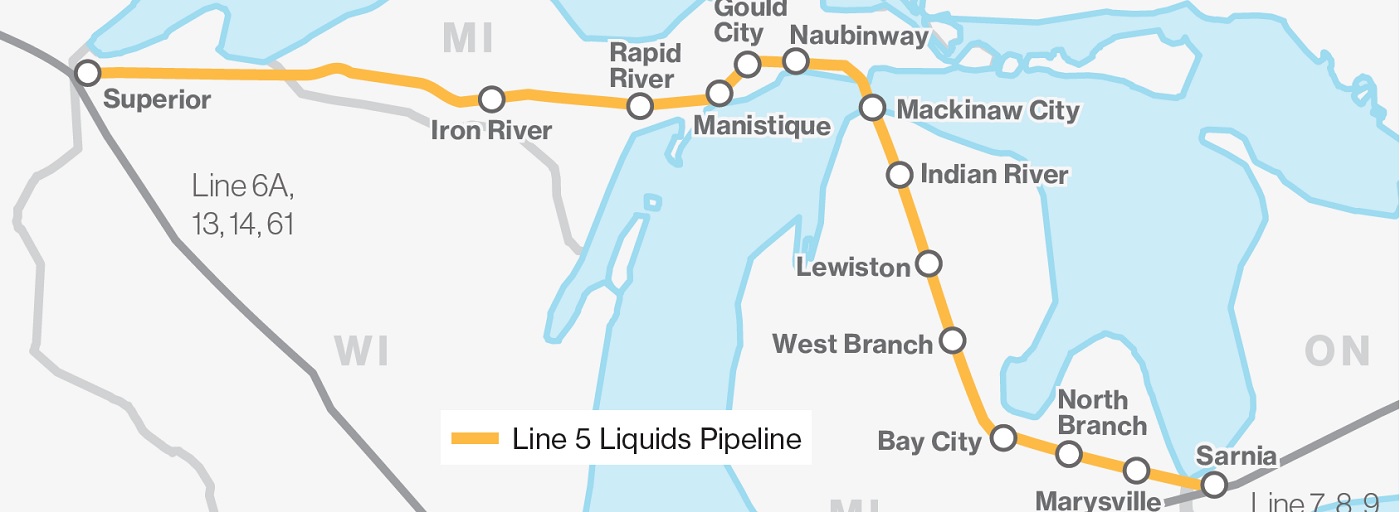
Using high-tech cameras and a radar system, the ESMOC staff monitors ships in the Straits to help ensure they don’t drop their anchors and strike the dual Line 5 pipelines that run along the bottom of the Straits.
“ESMOC’s assistance to pinpoint a stranded kayaker indicates at least two major things: the Straits are an incredibly high-tech, heavily monitored body of water; and finding someone in those waves can be difficult enough that it requires military-grade industrial technology,” explained Davanzo.
Davanzo shared that despite being a corporate-owned facility, ESMOC operates as a de facto extension of the region’s maritime safety net. By protocol, ESMOC immediately loops in the USCG if it detects an unsafe condition or a vessel in distress.
"Advanced cameras, communications systems and maritime monitoring tools are only effective when paired with trained professionals capable of rapidly interpreting information, communicating clearly, and making sound decisions under pressure. In this situation, all that came together to make a difference."
Mike Davanzo
Enbridge Maritime Operations Specialist
for the Great Lakes region
“Our response also demonstrated how real-time information sharing and enhanced situational awareness can help port emergency responders operating in a challenging maritime environment,” continued Davanzo.
“While ESMOC’s advanced technology played an important role, the success of the rescue ultimately came down to people. The actions of the ESMOC watchers—Denny Vowell and Kevin Misiak—exemplified the professionalism and dedication that are at the heart of ESMOC’s mission,” said Davanzo.
“They bring this kind of dedication to the job, day and day out.”
Partnerships create a safety net, protecting the public
The successful rescue also highlights the value of strong partnerships among federal, state, local, Tribal, and private-sector stakeholders operating in the Straits of Mackinac.
“ESMOC is designed to enhance the safety of the Straits 24/7,” said Erica Fink, Enbridge regional area manager for Line 5. “This event demonstrates how collaboration and coordination are key to protecting the Straits, as well as saving lives.”
Area first responders estimate they handle an average of two to five kayak rescue incidents each summer in the immediate Straits of Mackinac area. Since many of these incidents involve multiple people paddling together, this usually translates to four to 10 individuals rescued from the water each year.
“While the U.S. Coast Guard's highly trained crews conducted the search and safely recovered the kayaker, ESMOC's alert watchers supported the response effort,” said Fink. “We are proud of our ESMOC team and our strong relationships with the U.S. Coast Guard and other public safety partners.”