Enbridge project advances to build new segment of Line 5 under Michigan’s Straits of Mackinac
One of the largest planned energy infrastructure projects to be built in Michigan has reached a milestone.
Following extensive public and regulatory input spanning more than six years, the U.S. Army Corps of Engineers (USACE) today issued a key federal permit to build the Great Lakes Tunnel Project. The USACE issued a record of decision and an initial proffered permit, or a letter of permission.
“The Corps’ review was comprehensive and grounded in extensive environmental analysis,” said Paul Meneghini, Enbridge community engagement manager in Michigan.
“It was a methodical process that involved contribution from stakeholders, including Tribal communities across Michigan and the Great Lakes region.”
In accordance with a legally mandated Environmental Impact Statement (EIS) process, the Corps examined and evaluated key environmental, cultural, engineering and community considerations.
A federal EIS represents the highest standard of environmental review required for major critical energy and other infrastructure projects, such as the Great Lakes Tunnel.
“We’re pleased that the Corps thoroughly reviewed the Tunnel construction plan and issued the permit,” continued Meneghini. “This moves the project forward.”
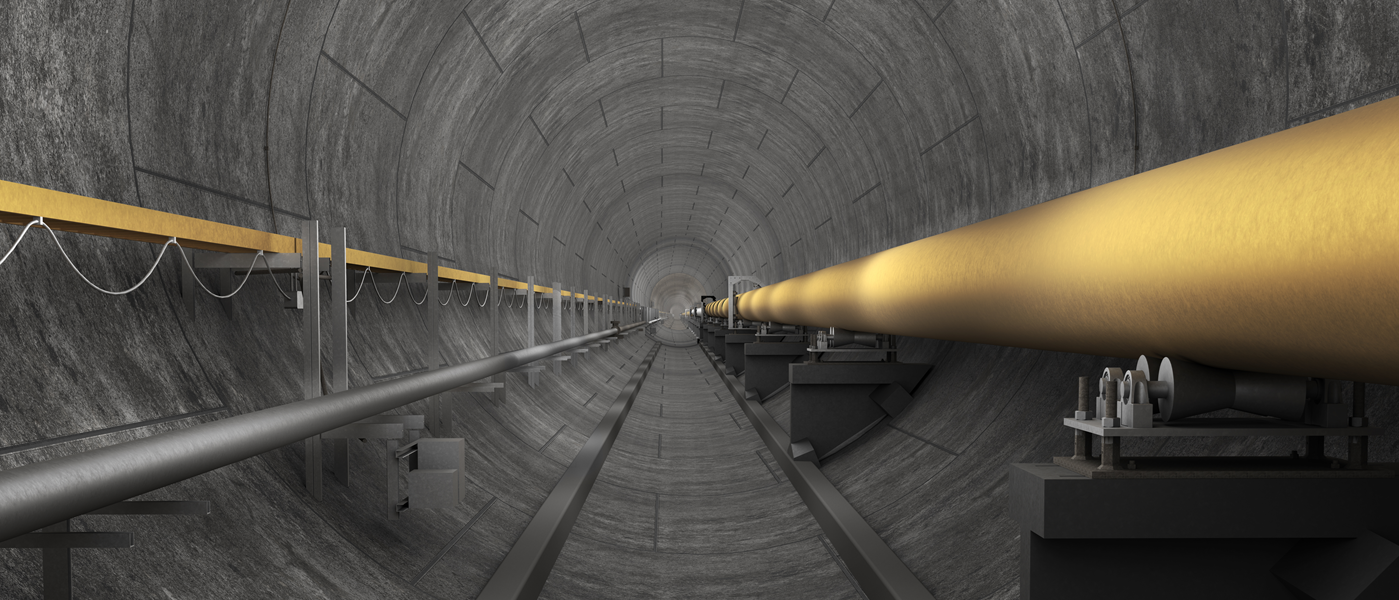
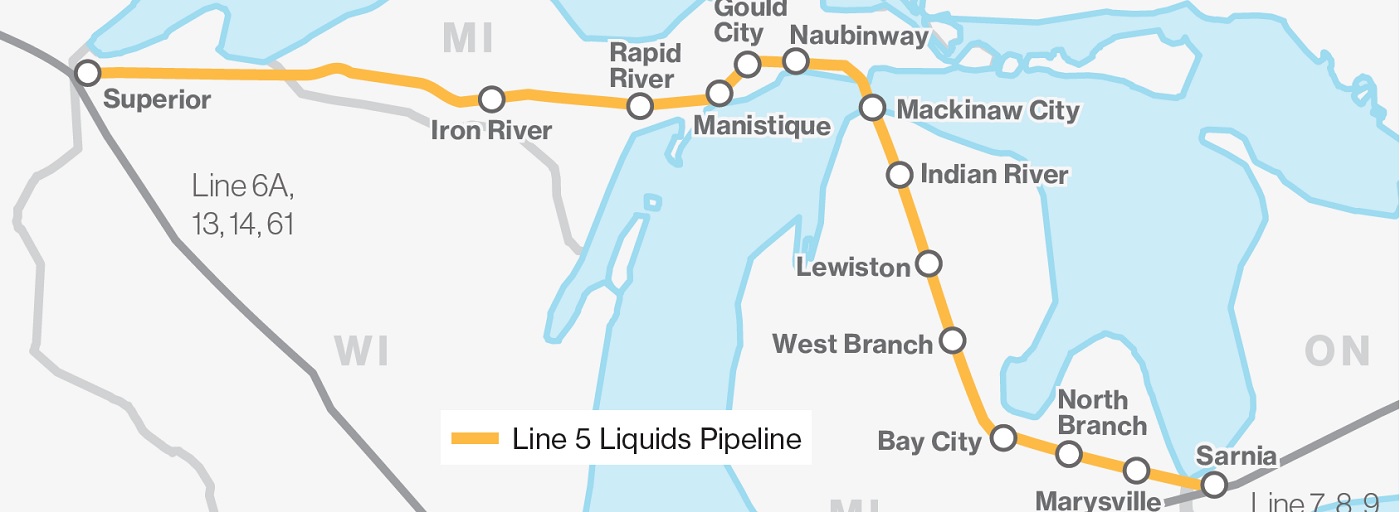
A tunnel below the Great Lakes in the Straits of Mackinac would house a new segment of the Line 5 pipeline that provides energy on which Michiganders rely.
It also provides natural gas liquids that are refined into propane, as well as the light crude essential to making more than 6,000 products—including medicine, eyewear, smart phones and kayaks.
Housing the pipeline in a Tunnel will protect the Great Lakes and keep vital energy flowing.
State permits status
To build the Tunnel, Enbridge is required to have state permits from the Michigan Department of the Environment, Great Lakes & Energy (EGLE) and the Michigan Public Service Commission (MPSC).
The Corps’ permit approval follows EGLE’s re-issuance of critical permits that help advance the Great Lakes Tunnel Project.
On July 15, EGLE reissued permits related to wetlands and water resources protection following more than 40,000 hours of environmental and cultural surveys undertaken in the Straits of Mackinac.
“Results from the surveys enhance Enbridge’s understanding of the geological and cultural characteristics of the Straits,” said Erica Fink, regional area manager for Enbridge Line 5 in Michigan.
“They enable us to incorporate into design and construction best practices to address any sensitivities specific to the Straits.”
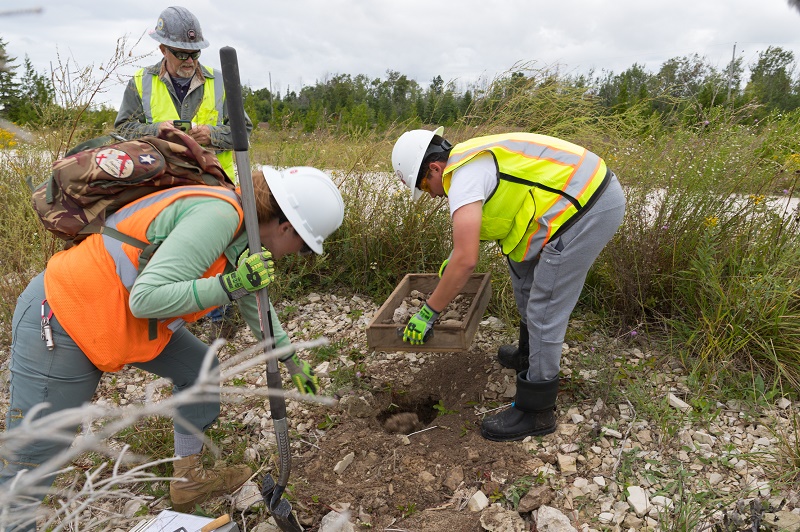
Adhering to the parameters set by the Corps, Enbridge conducted cultural and archaeological surveys, as well as surveys related to soil, rock and groundwater conditions.
Additionally Fink shared that Tribal monitors were on hand during the surveys focused on historical and cultural resources, including indigenous heritage sites.
"The Great Lakes Tunnel Project is one of the most, if not the most, studied projects in Michigan’s history. The process has been thorough and based on extensive study and survey work, including more than 40,000 hours in the field to inform the EIS process."
Erica Fink
Enbridge Liquids Pipelines regional
operations manager, Escanaba area
“The time Tribal representatives dedicated to monitoring the surveys is far more than symbolic,” said Brent Rush, Enbridge Tribal engagement manager and an enrolled Tribal member of the Citizen Potawatomi Nation.
“It reflects the sacredness with which they view the Straits, and a cultural history we seek to embed in how we build Michigan’s energy future.”
Initially issued in January 2021, the EGLE permits were set to expire after five years. In a nod to proactiveness, Enbridge reapplied for the permits in July 2025.
EGLE’s reissuance of the permits does not authorize construction, though similar to the Corps’ action, it advances the Great Lakes Tunnel project.
The permitting process
To date, Enbridge has received two permits needed to build the Tunnel and seeks two more.
The Michigan Supreme Court on July 31 overturned the MPSC December 2023 approval of the Great Lakes Tunnel and returned the case to the MPSC for additional environmental review.
EGLE is in the process of renewing a water discharge permit that authorizes the discharge of treated water from activities around the Tunnel Boring Machine (TBM) and excavation during the tunnel’s construction.
“Enbridge continues to safely operate and maintain Line 5 under rigorous federal pipeline safety standards set by federal regulators,” said Meneghini.
“We remain upbeat and focused on securing all permits to build this important energy project.”