


A man was working on his roof in Renville County, North Dakota, when the unthinkable happened.
He fell. And as if a fall from up high weren’t bad enough, he landed on a concrete bird bath. He was lucky to be alive, but his back was in rough shape, and he needed to get to the hospital—stat.
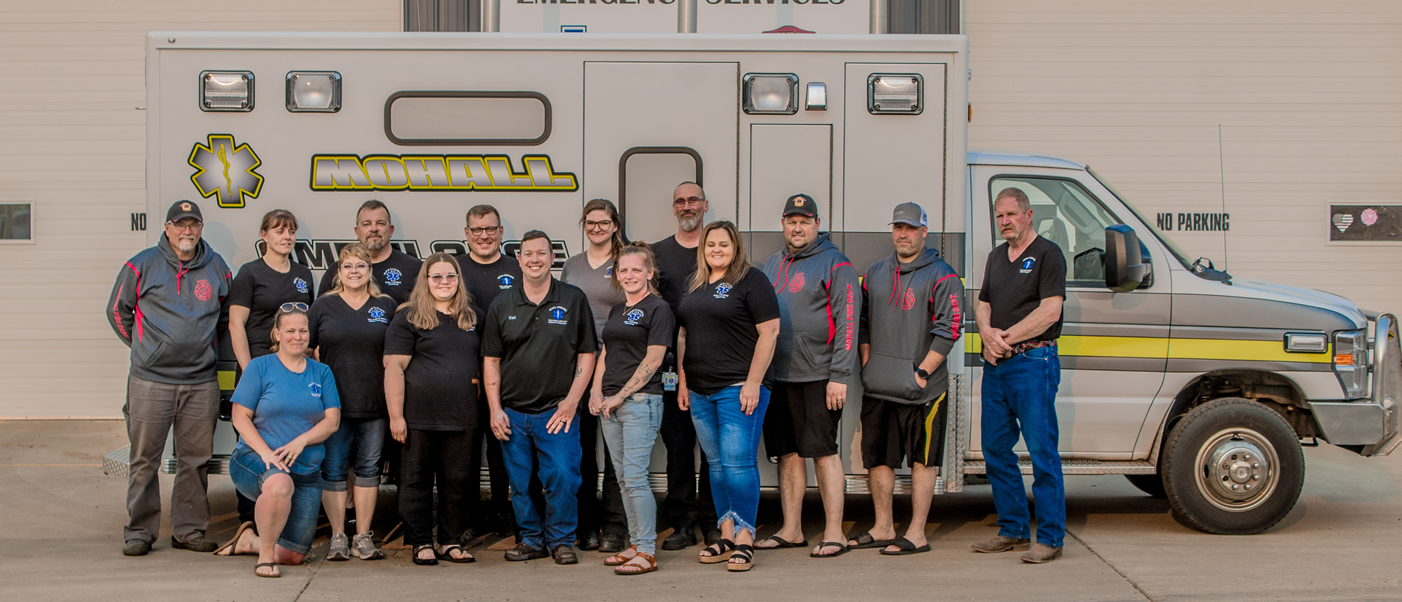
That’s where the Mohall Ambulance Service comes in. They’re a volunteer force serving four small cities of about 1,000 people in a rural area of about 1,100 square miles. The service has a fleet of five ambulances—one stationed at each city with the largest, Mohall, population 600, keeping two.
In this case, one of the ambulances that was available for the call simply could not be used for the patient’s safety. Despite spending plenty of time at the garage, the ambulance’s suspension could not be restored enough to ensure smooth transport for patients.
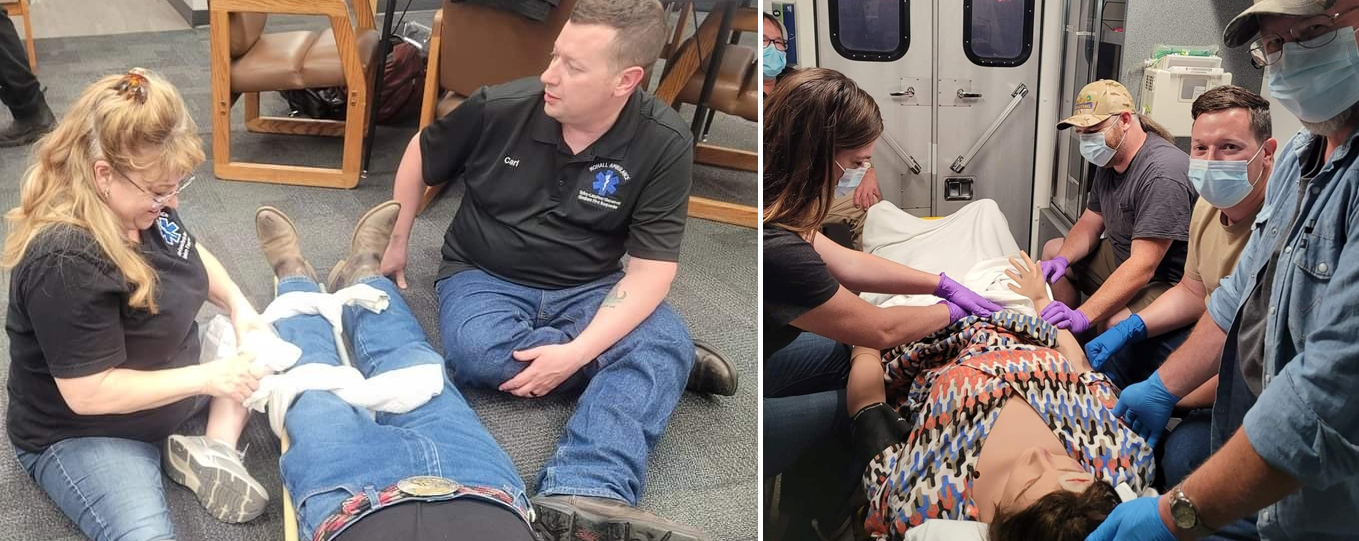 Mohall Ambulance Service has 36 volunteers on its roster who undertake regular training, and work tirelessly to ensure exceptional care 24/7, 365 days a year.
“You do not want a bumpy ride with a back injury,” says Michele Helming, an emergency medical technician (EMT) and operations manager with Mohall Ambulance Service.
“(The ambulance in question) rides like a brick. We didn't know if (the gentleman) had cracked ribs from the fall, and a bumpy ride could have punctured a lung,” she explains. “And if the person that's in the rig needs an IV or any type of an airway, it’s so much harder to do when the ambulance is bouncing around.”
Thankfully for the patient, an alternative ambulance was available. But the service decided it was time to retire the bumpy rig for the safety of their patients—and began fundraising for the replacement, whose price tag is expected to be anywhere from $350,000 to $500,000.