Enbridge’s $1.2 billion project delivers Westcoast natural gas pipeline system for greater energy security
The Aspen Point Program is now complete and in service.
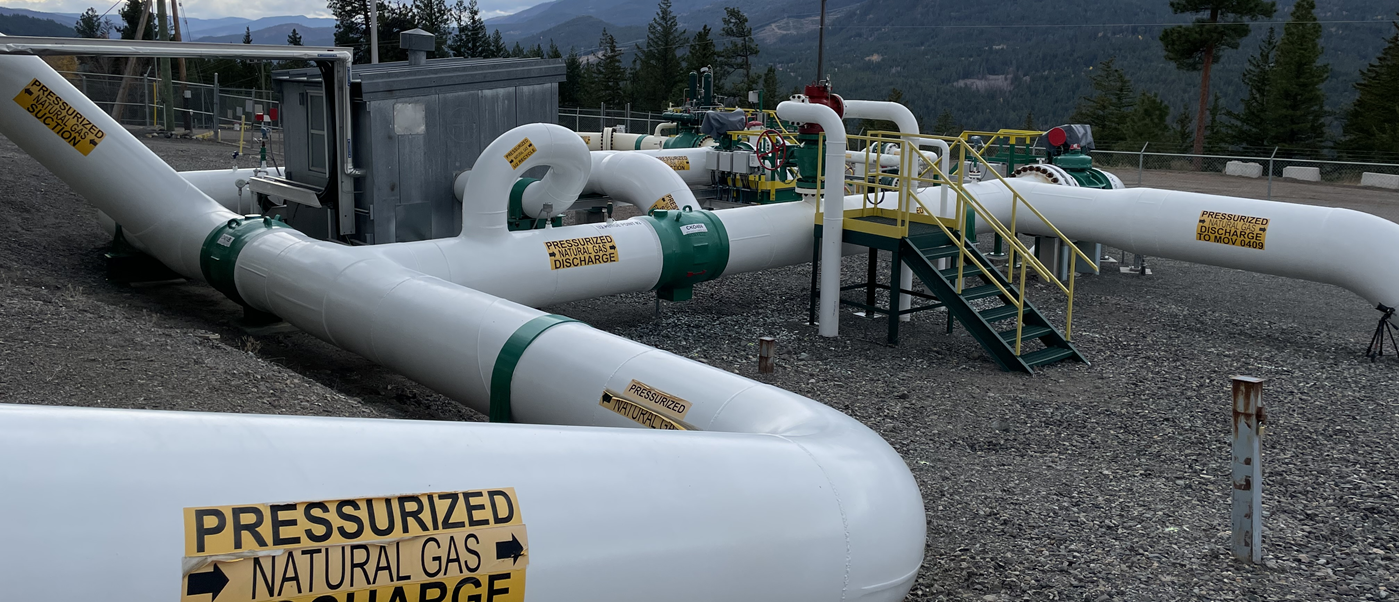
After more than four years of planning, engagement, field work, regulatory review and construction, Enbridge’s $1.2 billion project in British Columbia can now deliver an additional 535 million cubic feet per day of natural gas.
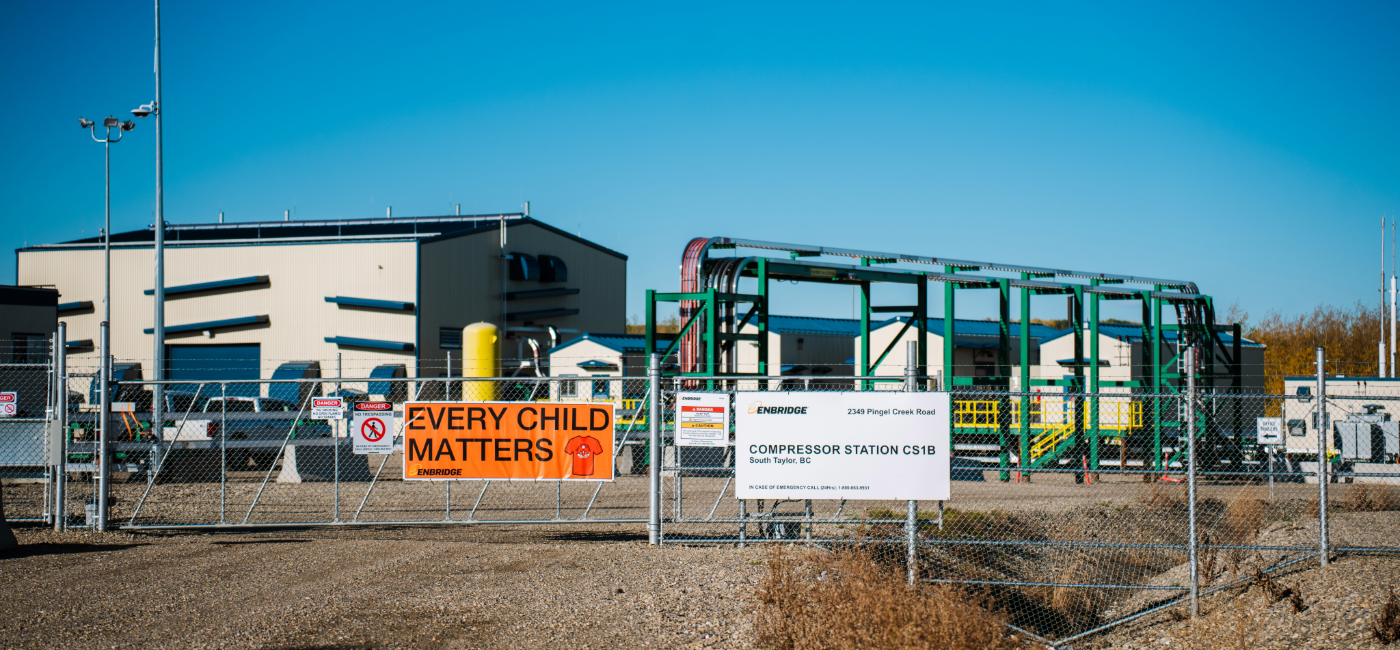
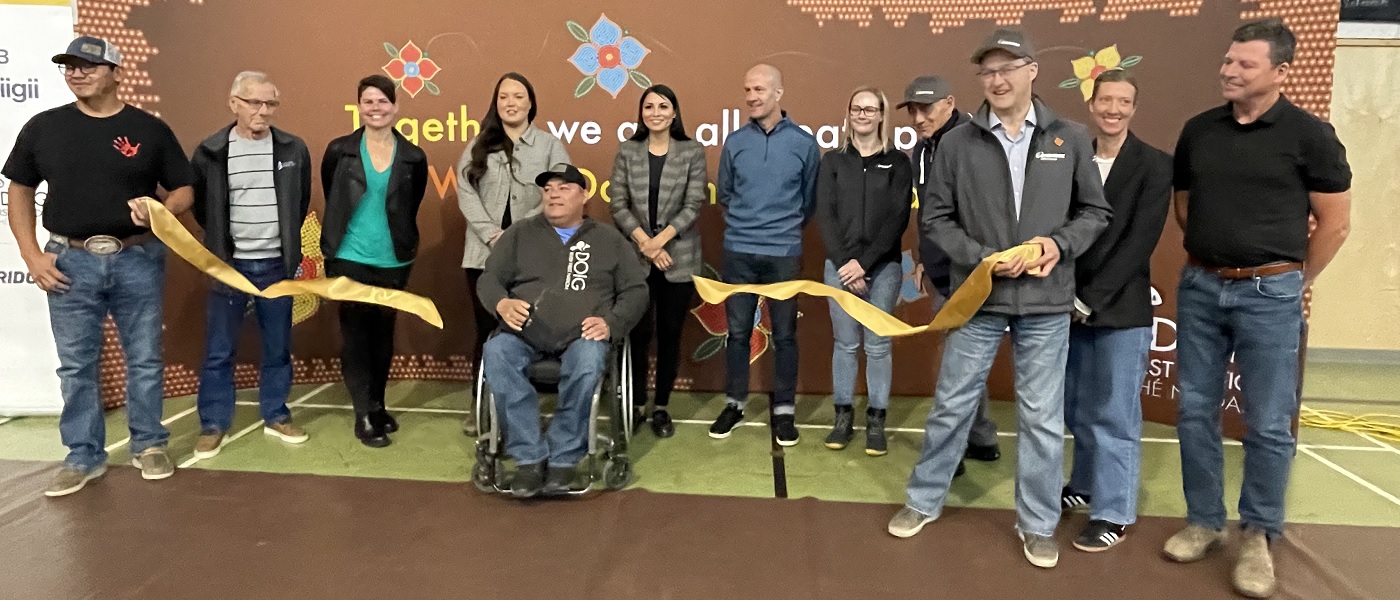
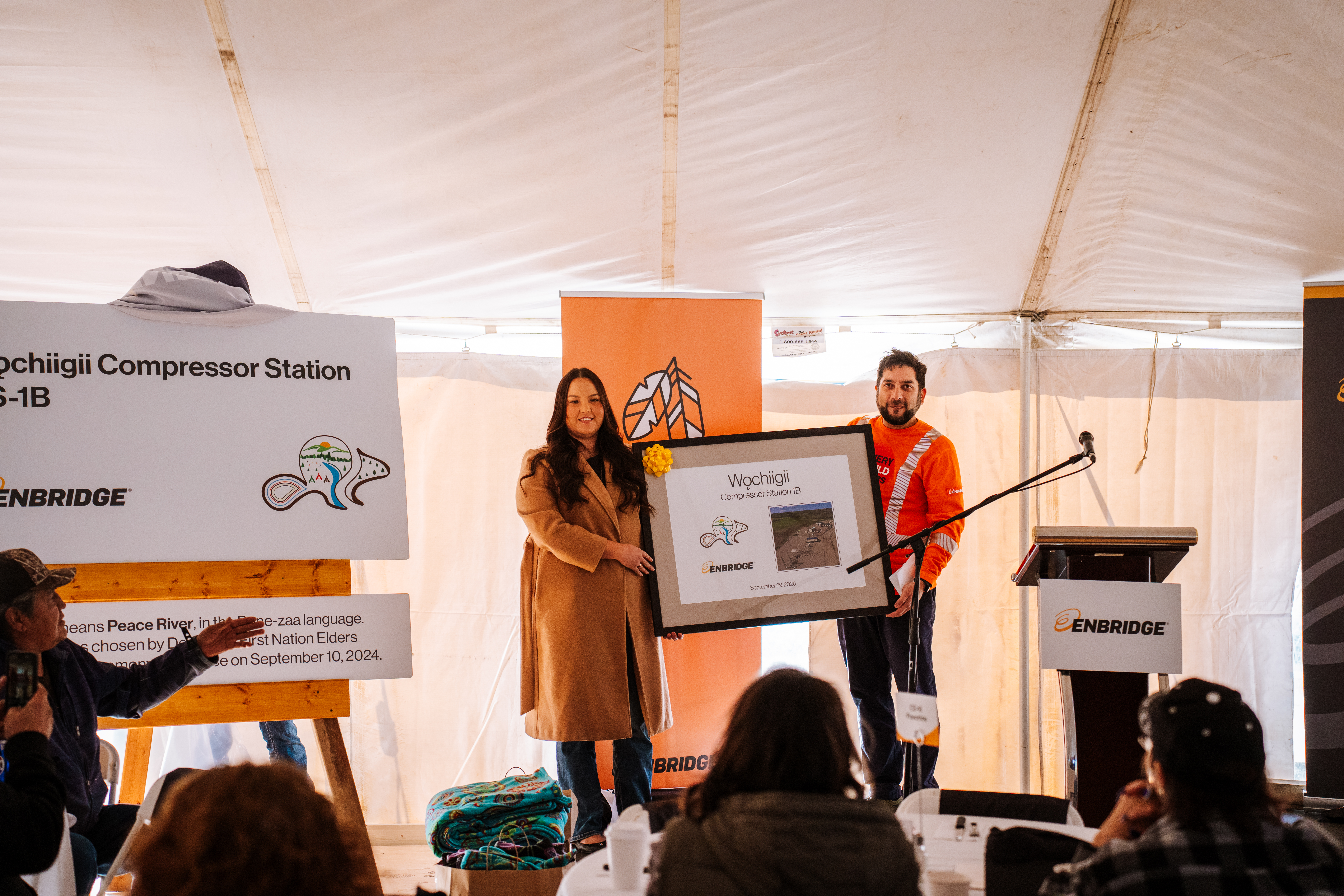
To celebrate this milestone, Enbridge hosted an event on September 29 at the project’s Compressor Station (CS) 1B Wǫchiigii, the first electric-powered compressor station on the Westcoast pipeline system. Indigenous, community and regional leaders joined project partners and employees to mark the occasion.
During the event, Ali Hendi, Enbridge’s Director of Projects, and Councillor Starr Acko of the Doig River First Nation unveiled signage for CS-1B Wǫchiigii. A plaque bearing the compressor station’s Danee-zaa name was also presented to Councillor Acko. Wǫchiigii, meaning Peace River, was selected by the Doig River First Nation and reflects the strong partnership built throughout the project.
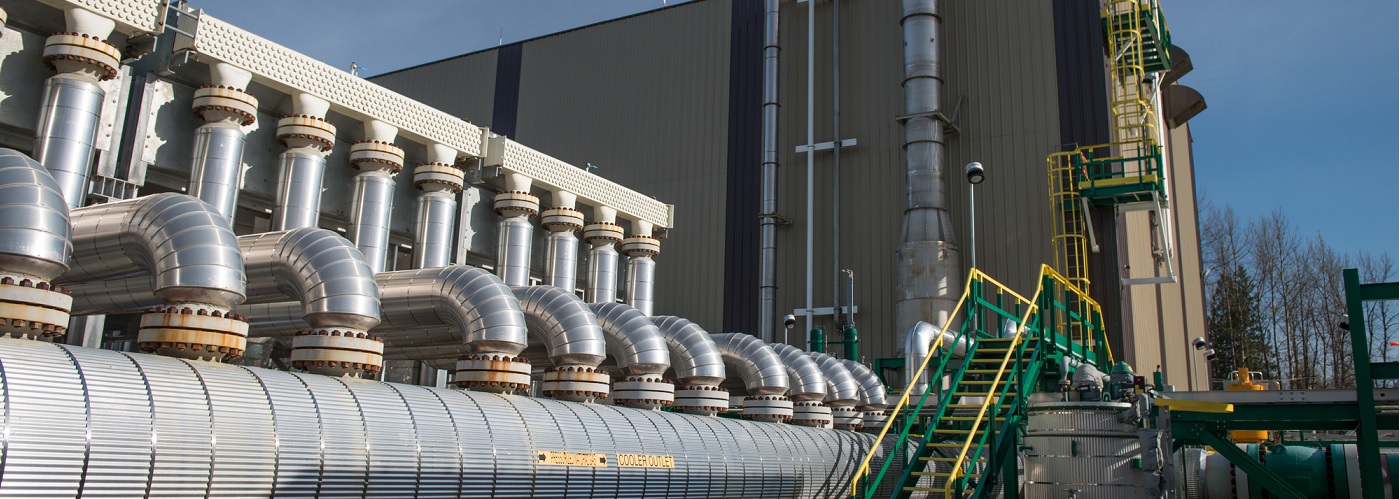
Two other electric-powered compressor stations were built as part of the project, along with 40 kilometres of powerlines to deliver electricity to the facilities. The Aspen Point Program also included the installation of 18 kilometres of pipeline along the Westcoast pipeline system's existing right-of-way, helping minimize additional environmental disturbance.
"As part of our commitment to achieve net-zero greenhouse gas emissions from our operations by 2050, we're proud to have placed three electric-powered compressor stations into service through the Aspen Point Program. These facilities represent an important step in modernizing the Westcoast system and help reduce operational emissions while continuing to deliver the energy that people depend on every day," says Dave Challoner, Manager of Projects and Aspen Point Program lead.
The scale of the project's accomplishment is reflected in the numbers.
More than 3.2 million work hours were invested in planning and constructing the project. Throughout those millions of hours, the project team maintained an outstanding safety record. The project's incident rate was less than 0.5, meaning serious workplace incidents were exceptionally rare and workers returned home safely to their families.
The project also delivered significant economic benefits.
The Aspen Point Program employed more than 1,000 workers during construction and spent more than $221 million on work completed by Indigenous workers and businesses.
While the numbers tell part of the story, the project's success was built by people.
"Projects like the Aspen Point Program are about more than building infrastructure. They help strengthen energy security and affordability by connecting B.C. natural gas to growing domestic and international markets, supporting economic growth and long-term prosperity," says Challoner. "We're proud to have safely delivered this project and grateful to the employees, contractors, Indigenous partners and communities whose support made it possible."
As the project transitions into operations, it stands as an example of what can be achieved through collaboration, innovation and strong partnerships, leaving a lasting legacy across the region.