BC-based foundation empowers teens, changes lives through land-based learning and mental health support
School was never cool for Nevada.
The teenager’s anxiety made it overwhelming—trying to fit in, keep up with lessons and simply get through the day.
“Every morning was a struggle. She refused to go to school,” recalls Nevada’s mom, Natasha. Many mornings ended in tears to convince her daughter to attend class. “Some days it got so bad that she made herself physically ill.”
Natasha did everything she could to help her daughter. She explored anxiety medication and asked the school for additional help. But nothing worked, and things only got harder as Nevada moved into higher grades.
That began to change when Nevada joined Take a Hike, an alternative high school program designed for teens who may be experiencing anxiety, depression or other mental health challenges that make learning in a traditional classroom difficult.
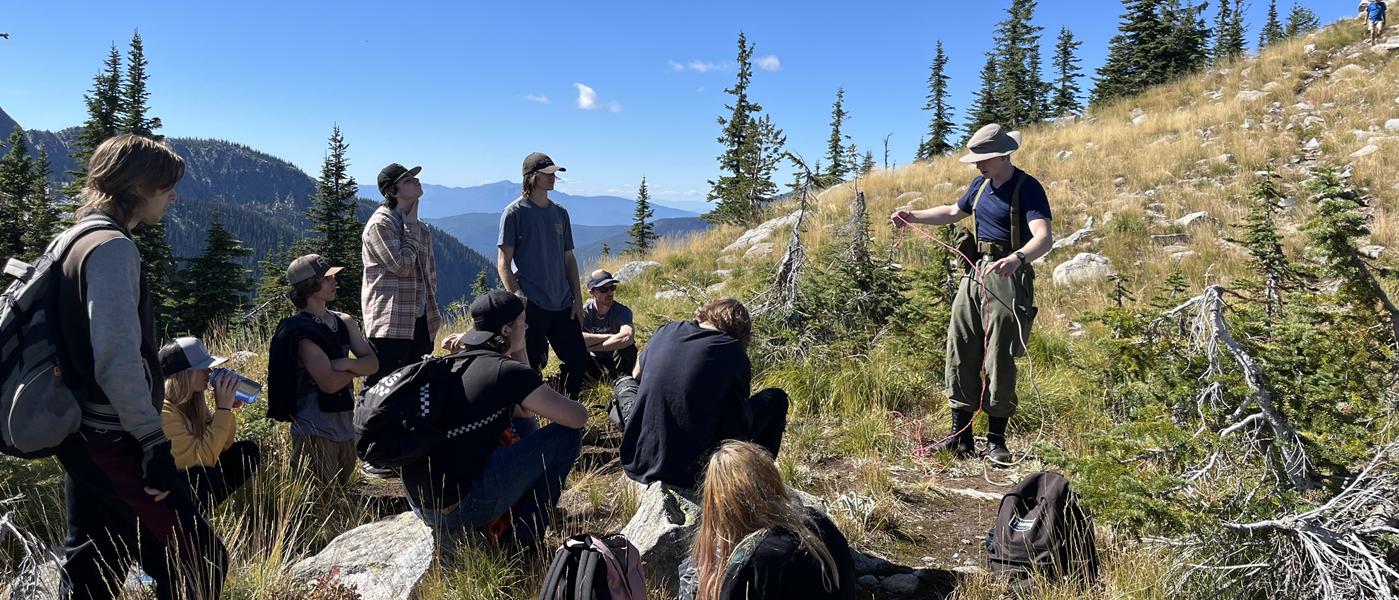
Offered by a non-profit organization, Take a Hike Foundation, the program blends regular curriculum with weekly outdoor learning experiences such as hiking, skiing, and kayaking. These land-based learning activities, called “out days,” allow teens to apply classroom learning in real-world settings, for example, using math concepts to understand the slope of a ski hill. These activities also help teens build confidence, strengthen connections with each other, and find calm in nature.
“Take a Hike plays on the phrase that’s often used to dismiss struggling youth. But we turned it into something positive by getting youth outside and learning in a new way,” says Gordon Matchett, CEO of Take a Hike Foundation. “By combining classroom learning with land-based learning experiences and mental health support built into the school days, we are able to engage those who are being left behind by the mainstream school system.”
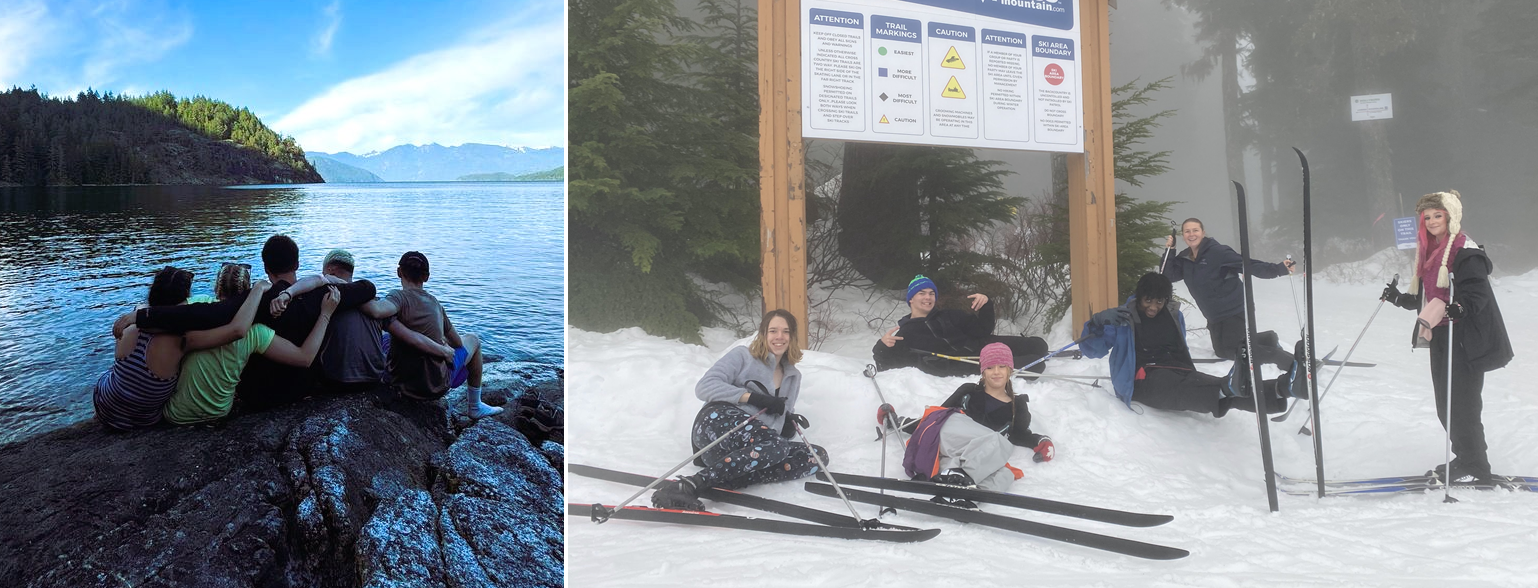 Take a Hike blends regular curriculum with weekly outdoor learning experiences such as hiking, skiing, and kayaking.
Each Take a Hike program includes a full‑time mental health clinician and is intentionally kept small, typically with up to 20 teens. This approach allows teens to receive individualized support and build strong, trusting relationships with both staff and classmates.
To join, teens are referred through their school district, with input from teachers, counsellors and families. Intake typically happens in September or February, with each participant voluntarily deciding whether the program is the right fit for them.
Founded in 2000, Take a Hike now operates 15 programs across British Columbia—including the Lower Mainland, the Interior, and Vancouver Island—and has recently expanded into Ontario, with a goal of reaching more communities across Canada.
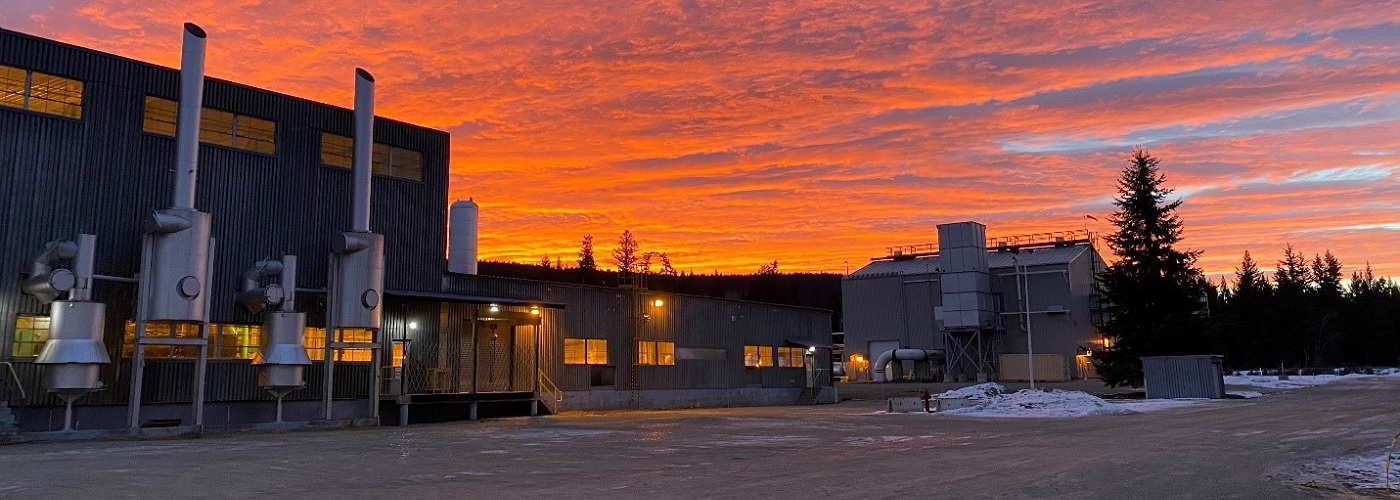
The program is offered at no cost to families, helping remove barriers to participation. As a non-profit organization, Take a Hike relies on community support. Enbridge, which owns and operates BC’s major natural gas pipeline system, recently contributed $5,000 to support the Take a Hike program in Merritt. The program runs in partnership with the School District 58 and is based at the Community Learning Centre.
For Nevada, Take a Hike not only changed her perspective on school, but also helped her grow into a more confident young person, surrounded by friends and eager to explore new opportunities.
“I’m incredibly grateful that someone pointed us toward Take a Hike when we needed it most,” Natasha says. “I can’t help but hope others out there—kids like Nevada and parents like me—can find this same lifeline.”