



Progress is worth pursuing: Let’s start saying ‘yes’ to practical, sustainable solutions
By Pete Sheffield, Chief Sustainability Officer
and Vice President of U.S. External Affairs, Enbridge
Source: As seen in our paid article in Crain’s Detroit Business Mackinac Policy Conference Edition
Date: May 27, 2024
America’s ability to achieve a sustainable energy future—one that’s affordable, reliable and lower-carbon—relies in large part on the actions we take today.
But far too often, we evaluate proposed actions through a single lens—as a pocketbook issue or a climate issue, as “good” energy or “bad.” The outcome—far too often—is a resounding “no.”
That means we’re not moving fast enough or far enough when it comes to solving for climate, energy security and affordability.
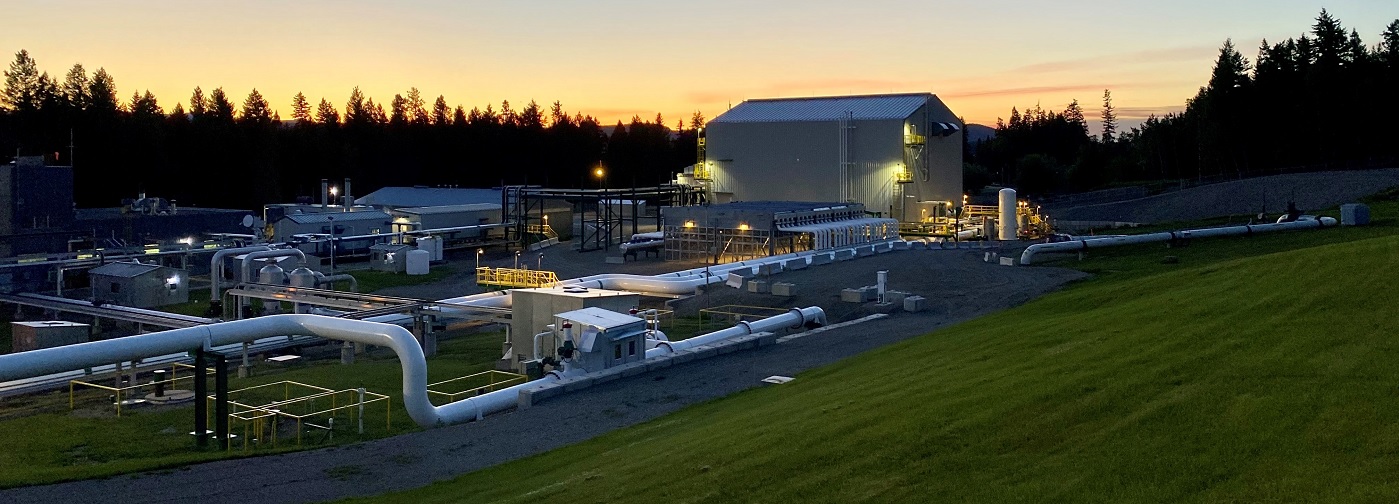
We need to come together and say “yes” to practical solutions—the actions that, while not perfect, achieve meaningful progress. Expanding use of North America’s abundant, inexpensive, and lower-carbon natural gas is a case in point.

Switching from coal to natural gas has been instrumental in reducing U.S. greenhouse gas emissions—power sector emissions declined more than 30% between 2005 and 2019—with a further 7% drop in 2023 alone.
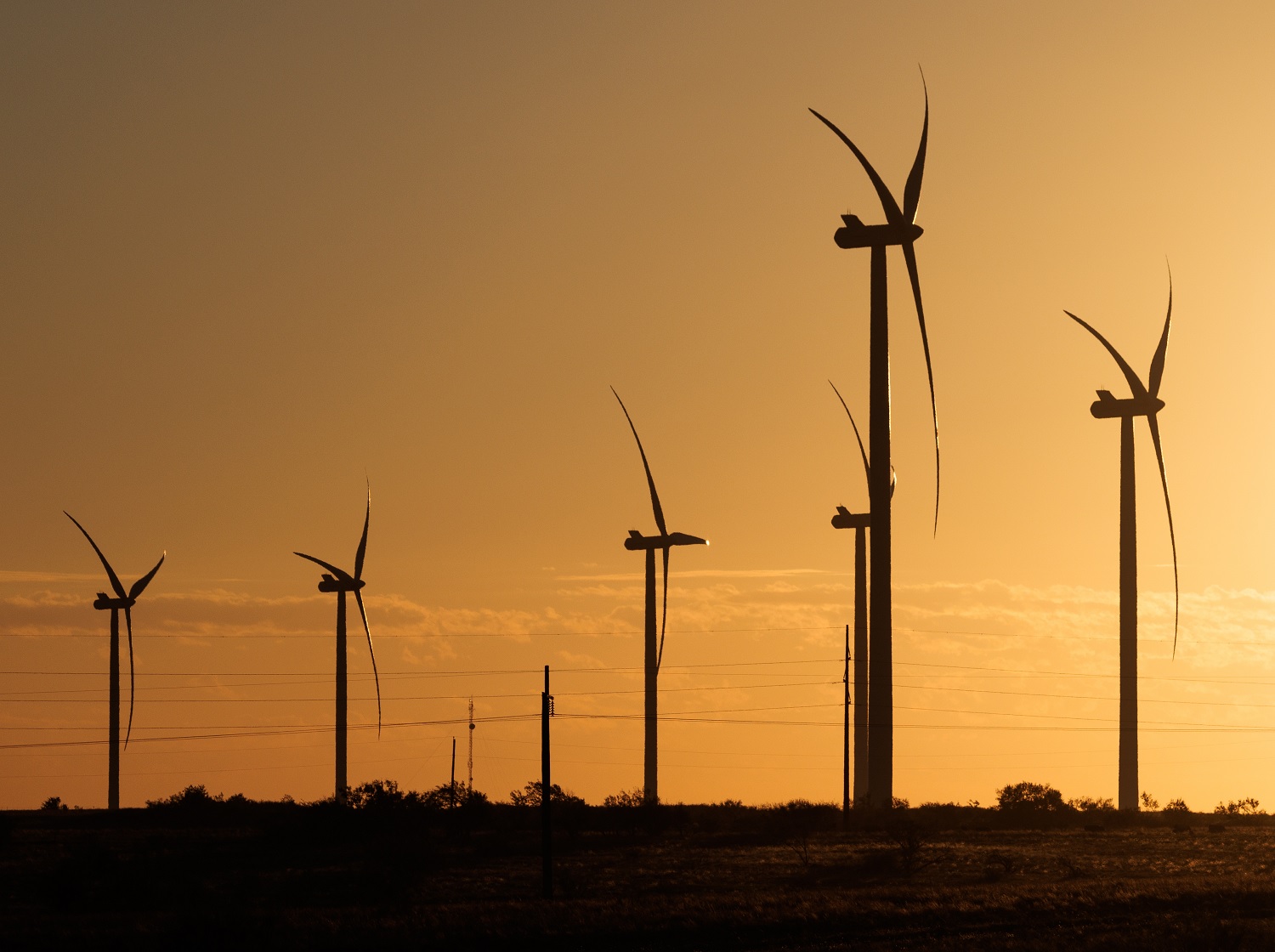
At the same time, by providing reliable, baseload power that can be quickly dispatched when needed, natural gas helps support the buildout of zero-emissions wind and solar—further reducing emissions from the electricity systems we rely on.
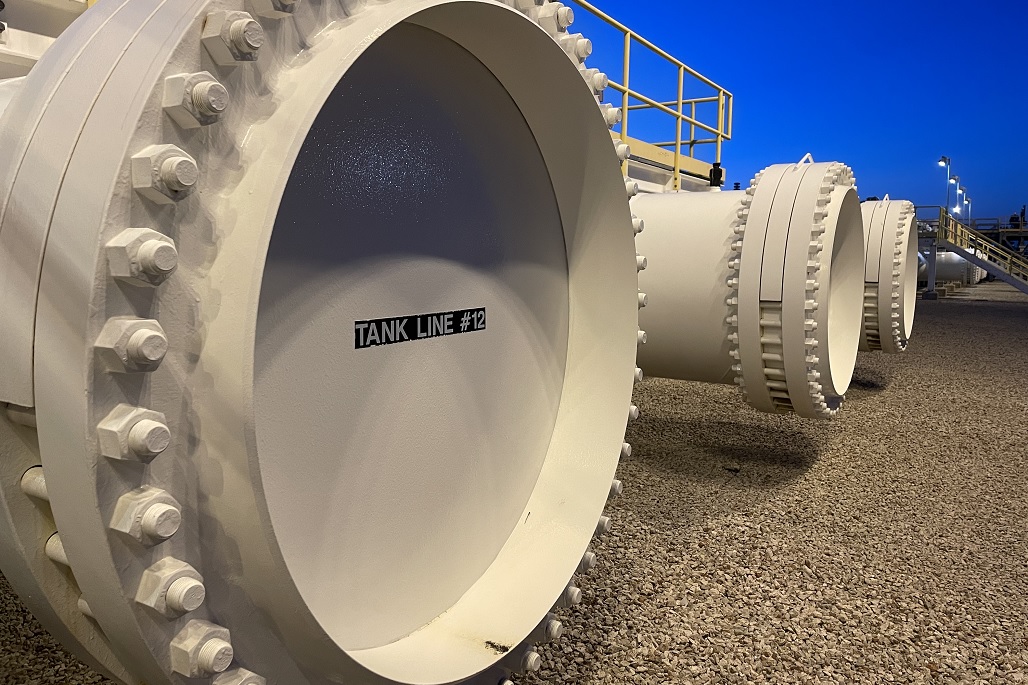
Natural gas is vital to energy transition. So, too, is energy infrastructure—the pipes and wires that move energy from where it’s produced to where it’s needed.
When you consider the sheer size and scope of the energy infrastructure across America serving our growing energy needs, incremental gains in efficiency across systems—tackling methane leaks, using renewable energy to move conventional energy—can deliver big impacts in lowering overall emissions.
Yet too often infrastructure projects are held back by competing interests, opposing views on which form of energy is best, outdated policies and unnecessary bureaucracy. Consequently, it’s become difficult to reach the consensus needed to move these projects forward.
While it may, for some, be an inconvenient reality, to meet our climate goals and adequately power our lives and businesses, we’ll need all forms of energy—more renewables, more natural gas, more oil—alongside more carbon capture, more energy efficiency and more innovation.
It’s encouraging that even among environmental activists, we’re seeing discussion of the need to support “new developments that address present crises” and calls for progressives to embrace the green building boom by saying ‘yes’ to building infrastructure in our backyards.
“Instead of prioritizing one energy solution over another, we must prioritize making progress on our shared goals.”
At the same time, by providing reliable, baseload power that can be quickly dispatched when needed, natural gas helps support the buildout of zero-emissions wind and solar—further reducing emissions from the electricity systems we rely on.
We have to do better. We can do better. It starts by overcoming a focus on perfection that’s preventing us from making the progress we need at the speed we need it—and at terms that are affordable for the customers we serve.
We in North America are lucky to have vast natural resources, a well-trained workforce, and an inherent drive to innovate. We have the tools to tackle the complex challenges of climate change, energy security and energy affordability—to bridge to a sustainable energy future.
Imagine what we can accomplish if we work together.
Let’s say “yes” to progress.

Pete Sheffield
Chief Sustainability Officer and Vice President of U.S. External Affairs, Enbridge
Pete oversees sustainability strategy, corporate partnerships, public policy, and government relations federally and across the 41 states in which Enbridge operates. He serves on the Sustainability Advisor Council to the New York Stock Exchange.
The above column is sponsor-generated content from Enbridge. See the Crain’s Business/Michigan Chronicle link here.