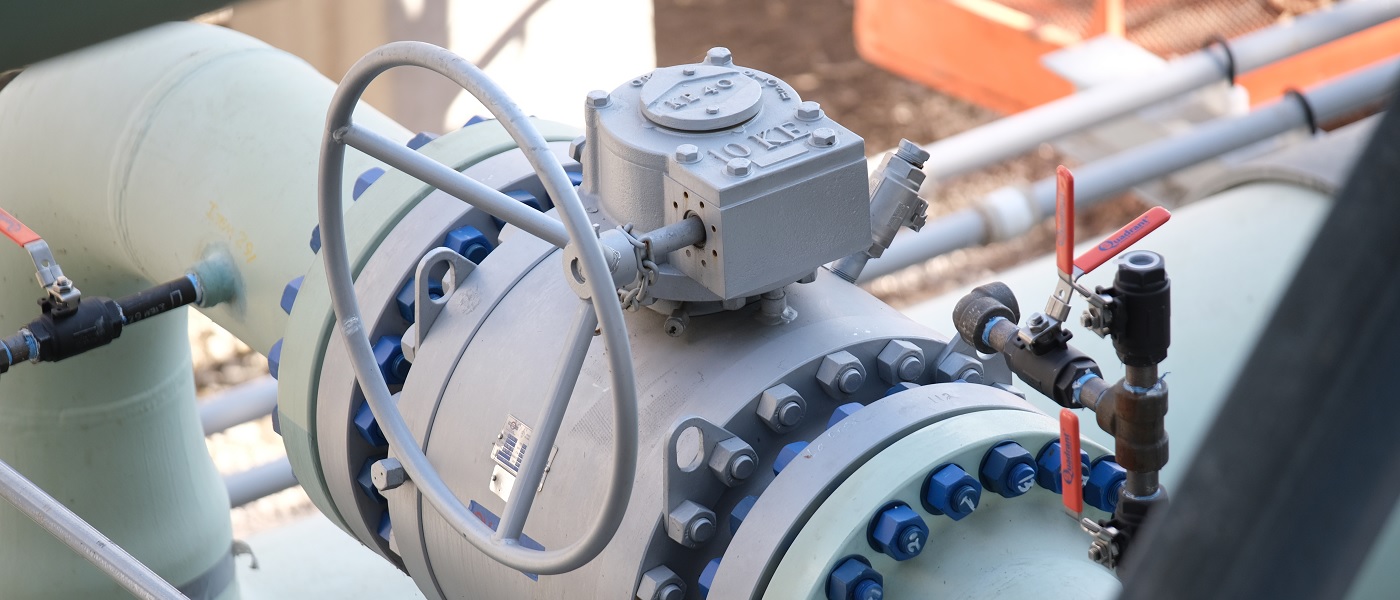
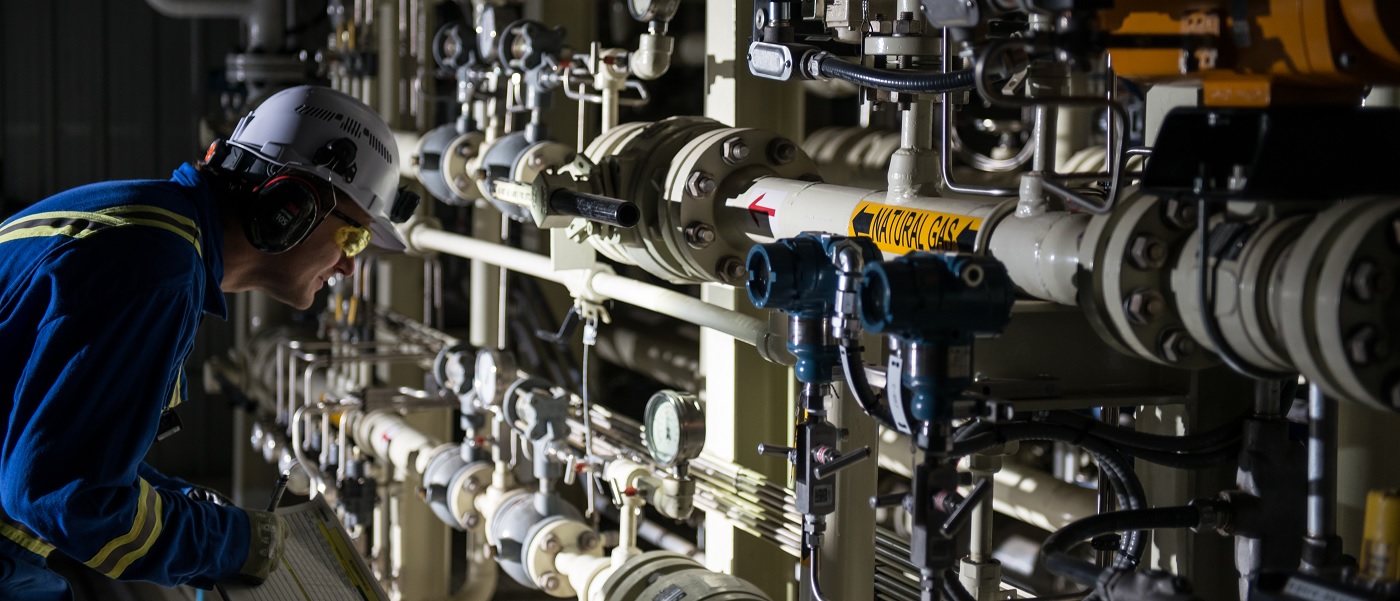
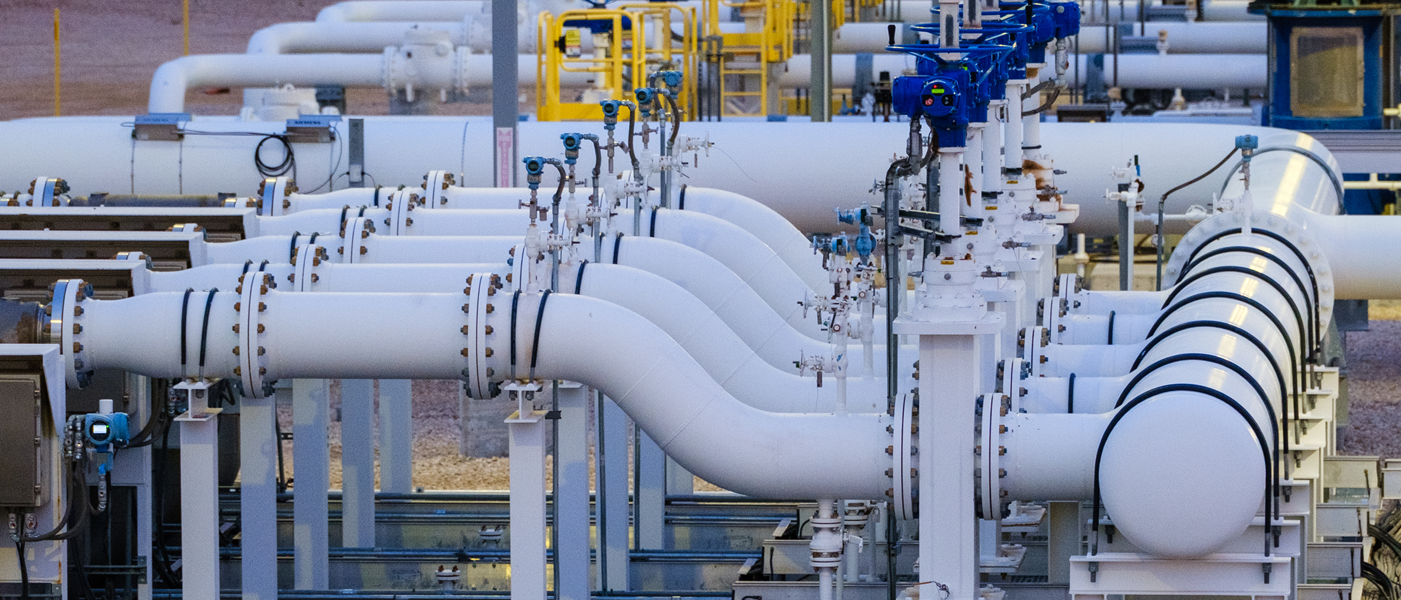
Enbridge’s energy delivery networks are designed to perform over decades, enabling consistency and predictability
(as seen in Crain’s Detroit Business)
Most people don’t think about energy security until they see and feel the impacts of energy insecurity—escalating gas prices, rising fuel surcharges for package deliveries, and higher food costs in grocery stores and restaurants. Business, manufacturing and agriculture are finely attuned to the availability and cost of energy inputs underpinning their operations.
It’s not just an economic impact. Risks to energy security can quickly become risks to public health and safety—hospital workers, first responders, public transportation and sanitation workers, food inspectors, and water treatment workers all know too well the critical role of reliable energy in the work they do.
Energy security means having reliable and affordable access to multiple energy sources like natural gas, oil, solar and wind. This includes both the production and generation of energy, and equally, if not more important, the energy infrastructure that moves it to communities, businesses and homes that need it. Energy security isn’t about choosing one source over another. It’s about having resilient systems where energy sources work together to meet demand and keep energy moving where and when it’s needed.
While the definition of energy security might seem simple, the implications surrounding it can be complex. Reliability and affordability are closely linked, as disruptions and volatility in supply and transportation can quickly translate into higher costs for households and businesses.
Energy markets are vulnerable to a range of risk factors, including natural disasters, technical and supply chain issues, geopolitical tensions, and the ability of America’s energy systems to withstand or quickly adapt to unplanned disruptions. Meeting those risks over time requires sustained capital investment and energy policies that remain consistent long enough to support long-term planning and system performance.
Energy security has been under the spotlight as domestic policy swings, global conflicts and geopolitical upheaval continue to disrupt supply chains and drive volatility in energy prices.
Abundance and access to energy help us withstand disruptions
In North America, we benefit from an abundant supply of energy.
According to the U.S. Energy Information Administration (EIA), the U.S. became the world's top crude oil producer in 2018, a position it still holds today. It produces approximately 20 percent of the world’s oil supply. The U.S.is alsothe largest producer of natural gas, and both energy sources are critical to building the foundation for renewable energy.
We also benefit from the infrastructure networks—pipelines and power lines—that connect that energy to demand centers.
The critical role of energy infrastructure—and Line 5
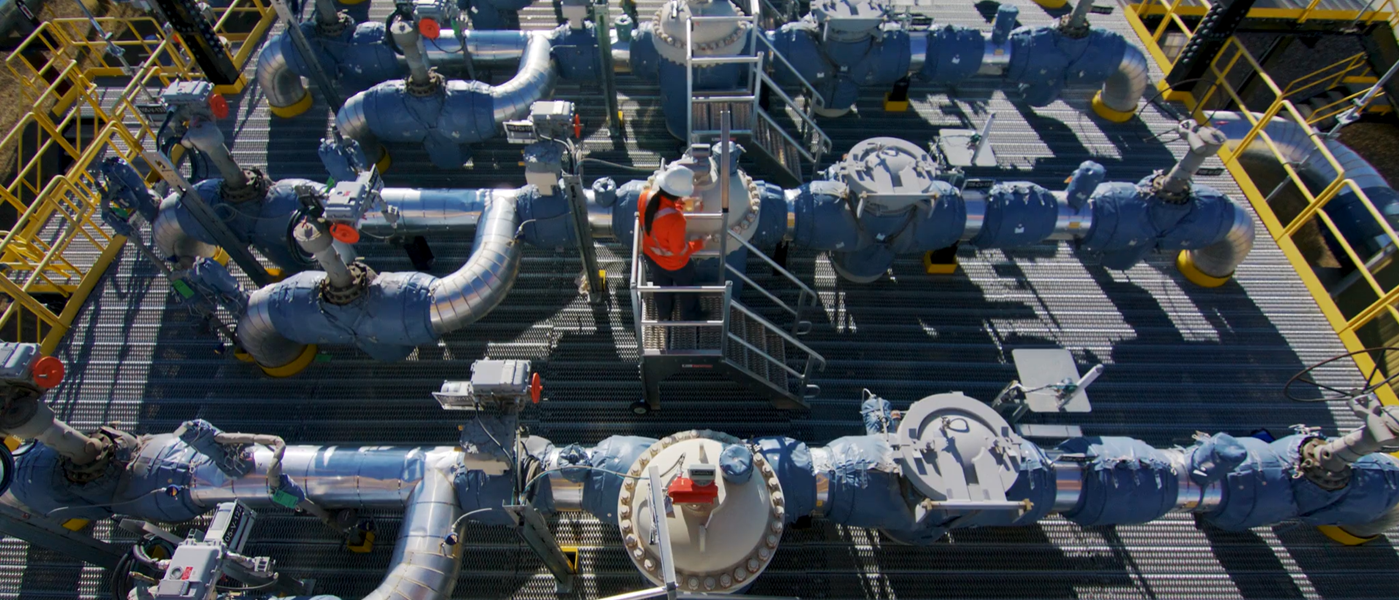
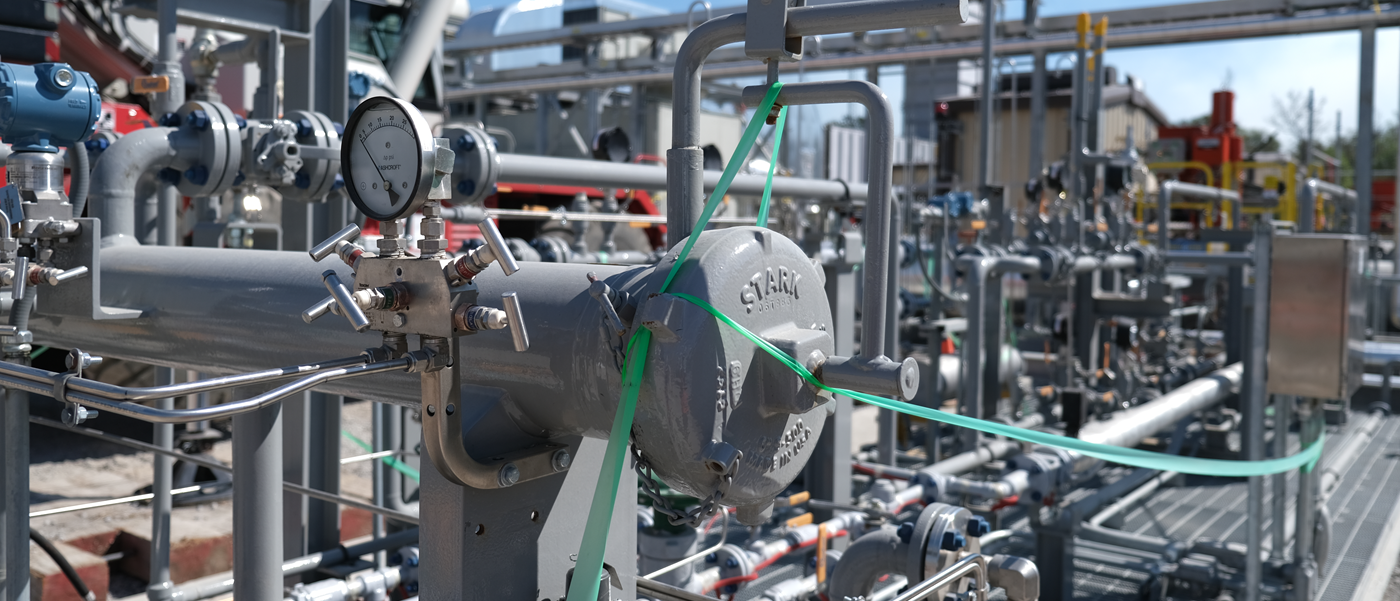
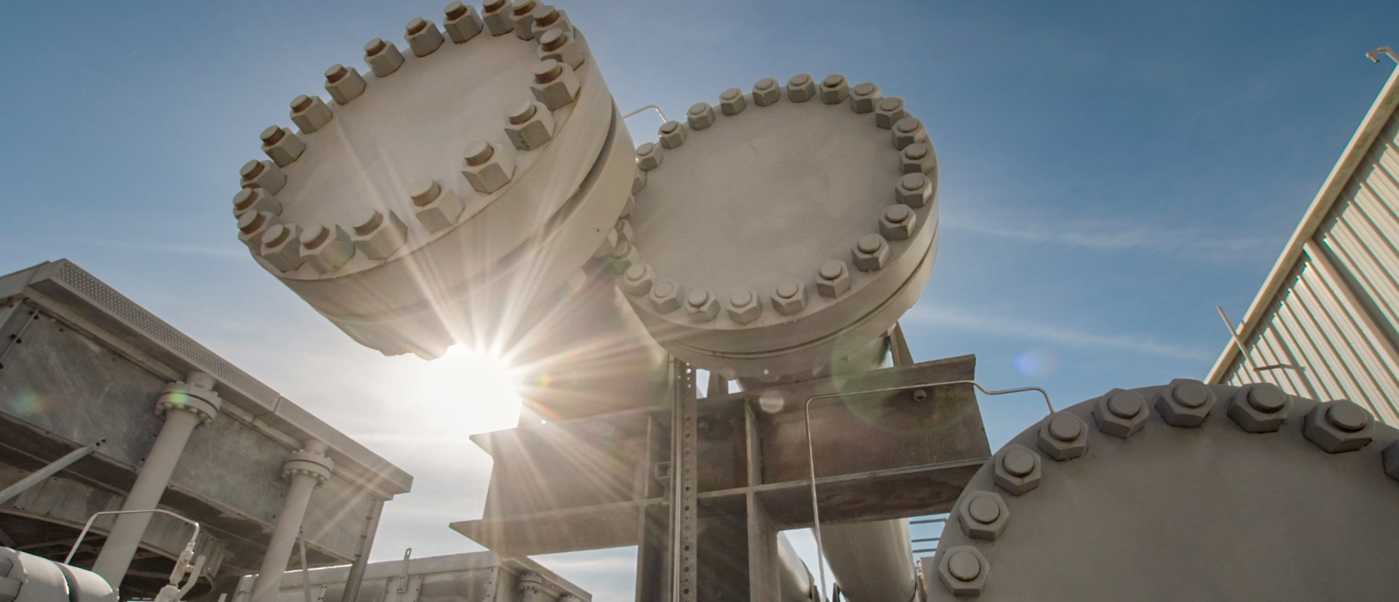
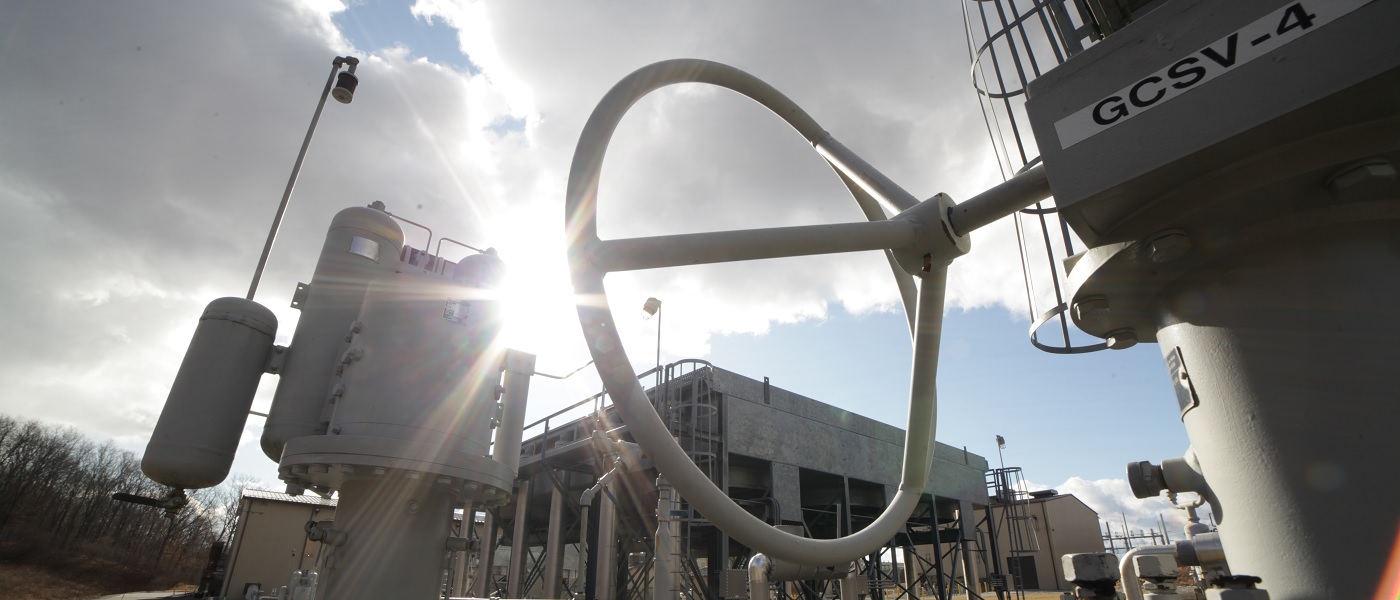
For Enbridge, a leading North American energy infrastructure company, energy security means investing in infrastructure that enables availability and accessibility to diverse types of energy throughout its energy network across North America. It is also about resiliency—our ability to prevent gaps in energy supply or respond immediately to situations that could threaten deliveries—through systems and operations that minimize or eliminate risks. Enbridge’s systems are designed to perform over decades, making consistency and predictability essential to effective planning and execution.
In the company’s 2026 Letter to Shareholders, Enbridge President and CEO Greg Ebel emphasized that the world will continue to need all forms of energy, and that our future will require more energy, not less.
 The Great Lakes Tunnel will house a replacement section of Enbridge’s Line 5 pipeline deep below the lakebed at Michigan’s Straits of Mackinac, virtually eliminating the chance of an anchor strike or spill.
Ebel outlines Enbridge’s commitment to continuing to invest to maintain and modernize energy infrastructure that delivers reliable, affordable energy safely, while advancing practical ways to reduce emissions over time.
As such, Enbridge has committed more than $8 billion in renewable projects since 2002, including wind and solar farms, renewable natural gas and hydrogen.
In the Great Lakes region, Enbridge has invested more than $100 million in recent years in its Line 5 pipeline, which provides critical support to the region’s economic vitality and energy security. Enbridge is keenly focused on implementing successful measures in the Straits of Mackinac, where the pipeline crosses this major water body and connects Michigan’s upper and lower peninsulas, that help keep Line 5 operating safely and reliably.
Great Lakes Tunnel is a long-term solution
The Great Lakes Tunnel will house a replacement section of Line 5 deep below the lakebed at the Straits, virtually eliminating the chance of an anchor strike or spill.
“Maintaining and strengthening energy infrastructure is an important aspect of energy security,” said Mike Moeller, Enbridge’s director of operations for the Great Lakes region. “Michiganders and neighboring states have relied on the safe operation of Line 5 in the Straits for more than 70 years, and construction of the Great Lakes Tunnel will enhance operational and environmental protections of Line 5. The tunnel, which will encase a replacement segment of Line 5, will essentially eliminate the possibility of an anchor strike or spill in the Straits, providing an additional layer of security.”
Looking ahead
A secure energy future will require more energy, not less. Meeting that demand, while keeping energy reliable and affordable, depends on the infrastructure that safely delivers it to homes, businesses and essential services. With the right investments, energy infrastructure can unlock North America’s natural energy advantage and help turn potential into prosperity for companies and communities. And because the world will need all forms of energy, building and maintaining resilient delivery networks will remain essential for years to come.