



Advancing the energy evolution
Energy evolution and lower-carbon economy
Energy systems around the world are being reshaped as industry participants, regulators and consumers seek to balance the need for accessible, reliable and affordable energy with efforts to reduce global GHG emissions. As energy systems evolve and countries balance decarbonization goals with energy security, our goal is to continue delivering secure and affordable energy, while maintaining a disciplined and deliberate approach to strategic and financial planning.
Approach to the energy evolution
One of the most important aspects in maintaining the long-term viability of our business is staying competitive and flexible during times of uncertainty and change, like the energy transition—or as we often refer to it as, the energy evolution. We believe diversification and innovation will play a significant role in meeting increased energy needs and evolving toward a lower-carbon and energy-secure future.
Our all-of-the-above approach includes managing our absolute emissions over time, lowering the emissions intensity of our operations (pages 18-24), continuing to invest in conventional fuels, and participating in the development and construction of lower-carbon energy infrastructure.

We work closely with our customers and stakeholders to stay attuned to the pace of the energy evolution, which informs our operational and capital deployment decisions and helps us uncover opportunities to continue to diversify our business.
Additionally, potential investments are evaluated to assess their alignment with our GHG emissions reduction goals.
While focusing on servicing North American needs first and foremost, we adopt a global perspective, recognizing that different jurisdictions have unique energy needs and infrastructure requirements.
Our global lens also considers broader economic factors, including geopolitical conflicts, market dynamics and climate considerations associated with the energy evolution.
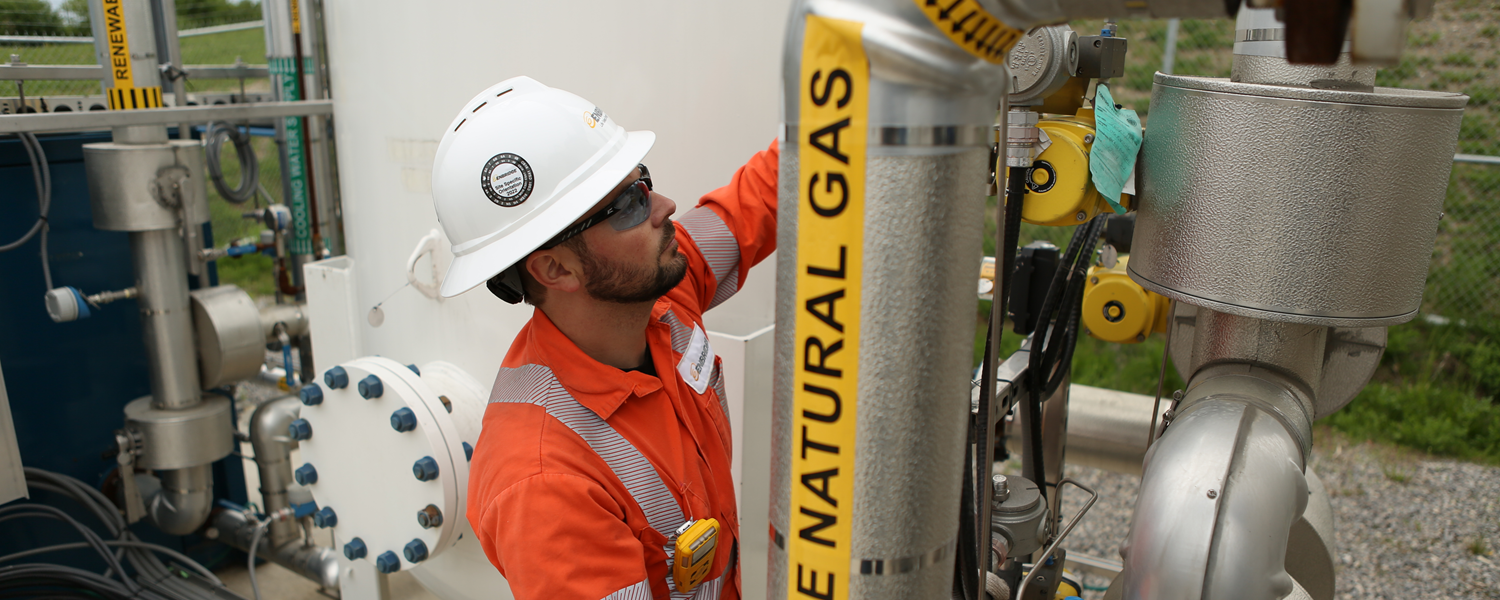
Enbridge views natural gas as critical for the energy evolution
Natural gas is a highly reliable energy source relative to other sources of energy, and we expect it will continue to play an important role in the energy evolution. Demand for North American natural gas is expected to grow significantly through 2035. In addition to supporting residential and commercial customers, natural gas plays a key role in industry and manufacturing. We continue to invest in natural gas infrastructure and, with the acquisition of a trio of U.S. natural gas utilities, Enbridge delivers natural gas to more than 7 million customers across North America. Below are five reasons why we and believe natural gas will continue to play a meaningful role in the energy evolution:

North American natural gas advantage
North America has abundant natural gas resources. Canada and the U.S. are estimated to have enough natural gas to meet domestic needs for more than 200 years. These abundant reserves, coupled with relatively high environmental standards, provide the opportunity to leverage these resources to support increased standards of living at home and abroad.
What is Enbridge doing?
Our assets connect abundant resources with larger population centers, moving the energy where it is needed.

Lower emissions than coal
Replacing coal with natural gas provides an immediate reduction in GHG emissions for energy-intensive industrial processes that are challenging to electrify, like mining, steel and cement manufacturing. The advancement of carbon capture projects and technologies has the potential to enable additional emissions reductions. Read more on page 16.
What is Enbridge doing?
We reliably connect electric utilities and power generators to the natural gas they need and have supported several recent coal-to-gas conversions. Read more on page 22. We also continue to invest in new technologies such as carbon capture that can further support the decarbonization of hard-to-abate sectors.

Affordable source of energy
Access to affordable, reliable energy is critical to economic growth and competitiveness. When energy is affordable, households have more to spend, manufacturers have more cost certainty and exports can grow. Natural gas is one of the most affordable1 energy options for homes and businesses in North America.
What is Enbridge doing?
Through our Enbridge Gas companies, we serve more than 7 million customers with natural gas to heat their homes. We offer programs across our gas utilities to support lower-income and vulnerable customers. Read more on page 27.
Reliable transmission and distribution
The natural gas transmission and distribution system is reliable and resilient, as it is not dependent on electricity for delivery. This increases the reliability of energy that people and businesses rely upon, including during extreme weather events.
What is Enbridge doing?
Enbridge invests in developing and maintaining its own vast distribution network of 303,598 kilometers (km). Our asset integrity program and innovative technology supports the reliability of that network. Read more on page 28.

Flexible to export as LNG
Natural gas can be transported across the world in the form of LNG. Canadian LNG exports leverage stable, long-lived natural gas resources, with relatively shorter transit times to Asia. The U.S. is growing its LNG capacity rapidly. In 2025 alone, more than 90 billion m3/year of additional LNG capacity reached final investment decisions.
What is Enbridge doing?
In Canada, our Westcoast Energy pipeline system is positioned to indirectly fuel most LNG facilities currently under construction in British Columbia (BC), two of which have been deemed projects of national interest.
Along the U.S. Gulf Coast, Enbridge is connected to 100% of the operating LNG export capacity and we foresee that capacity growing.
1 U.S. representative average cost of residential energy per million BTU.
Investments in renewables and lower-carbon technologies
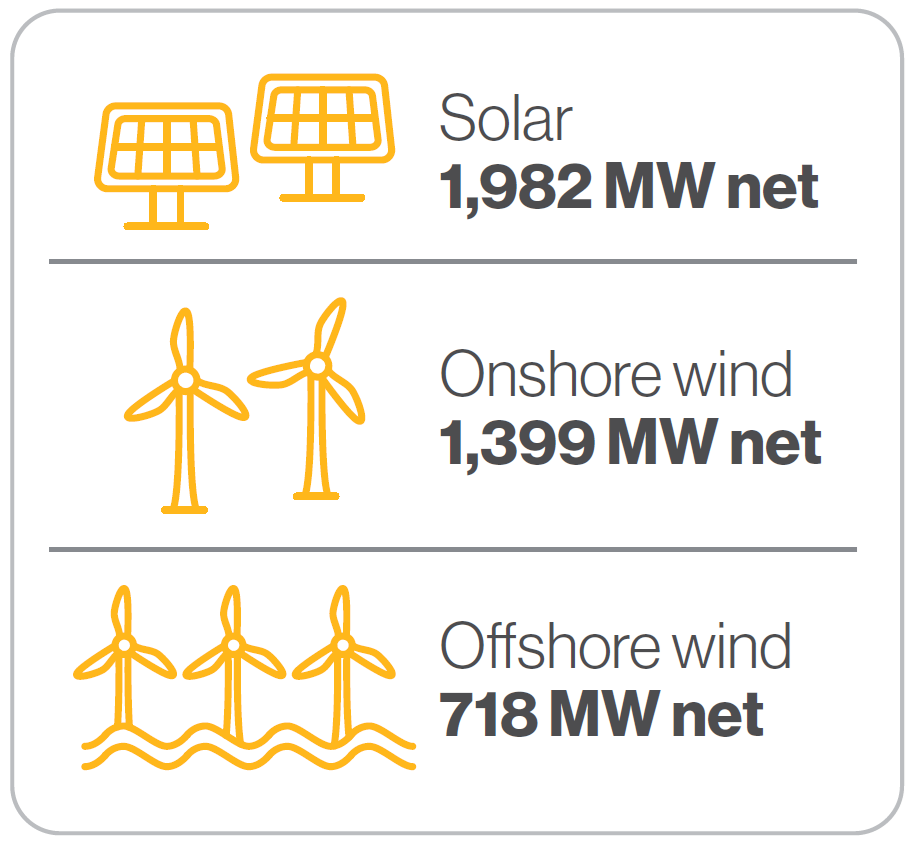
As part of our balanced approach to the energy evolution, we are investing in modern energy delivery infrastructure to maintain access to secure, affordable energy. We continue to build on two decades of experience in renewable energy to continue growing our renewable portfolio1 and advancing new technologies such as carbon capture and storage (CCS), and renewable natural gas (RNG).
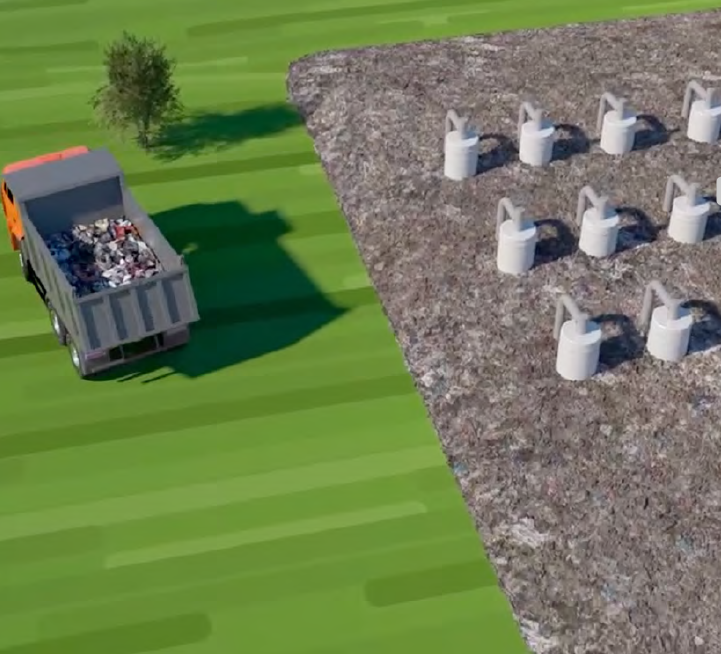
Tomorrow RNG: Converting landfill gas to ‘treasure’
Find out how Tomorrow RNG, an Enbridge company, transforms landfill gas into pipeline-quality RNG. Extracted, compressed and treated onsite, landfill gas becomes RNG—purchased by gas utilities to heat homes, cook food and power businesses, while the revenue is used by landfills to offset the cost of waste collection.

1 Enbridge owns and operates renewable power generation assets across North America and Europe. These assets produce electricity that is primarily sold to customers under long-term power purchase agreements (PPAs). While these assets contribute renewable electricity to the markets in which they operate, the associated environmental attributes are generally transferred to PPA counterparties. As a result, renewable generation is not presented as a direct reduction in Enbridge’s reported greenhouse gas emissions unless explicitly stated and supported by disclosed methodologies.
Greenhouse gas emissions energy management
Addressing climate change is a pressing challenge faced by businesses and society. The complexity of this challenge requires multifaceted solutions that balance the need to reduce GHG emissions while at the same time meeting the increasing global demand for secure, affordable and reliable energy. In response to this challenge, we are working to reduce our GHG emissions in line with our emissions reduction goals.
Reduction goals and pathways
Our goals for reducing our GHG emissions were set in 2020, making us North America’s largest energy infrastructure company with a goal of operating on a net-zero basis (Scope 1 and 2) by 2050.1,2,3 We are also committed to reducing the intensity of GHG emissions from our operations by 35% by 2030 from 2018,1,3,4 which we achieved in 2023 and maintained our progress in 2024 and 2025.
In order to meet our goals, we are focused on five key pathways that contribute differently toward our 2030 and 2050 goals. For our 2050 target, carbon capture, carbon removal and other offset solutions are anticipated to play a larger role in addressing residual emissions, reflecting their longer development timelines and capital intensive nature. Future procurement of carbon capture, carbon removal or other offset solutions will depend on the maturity of these solutions and how nature-based solutions are perceived in the voluntary carbon market. While offsets remain a lever to reduce residual emissions to our net-zero pathway, our focus until 2030 is on understanding the limits and costs of emissions reduction pathways such as modernization, innovation and lower-carbon investments.
Illustrative reduction pathways5
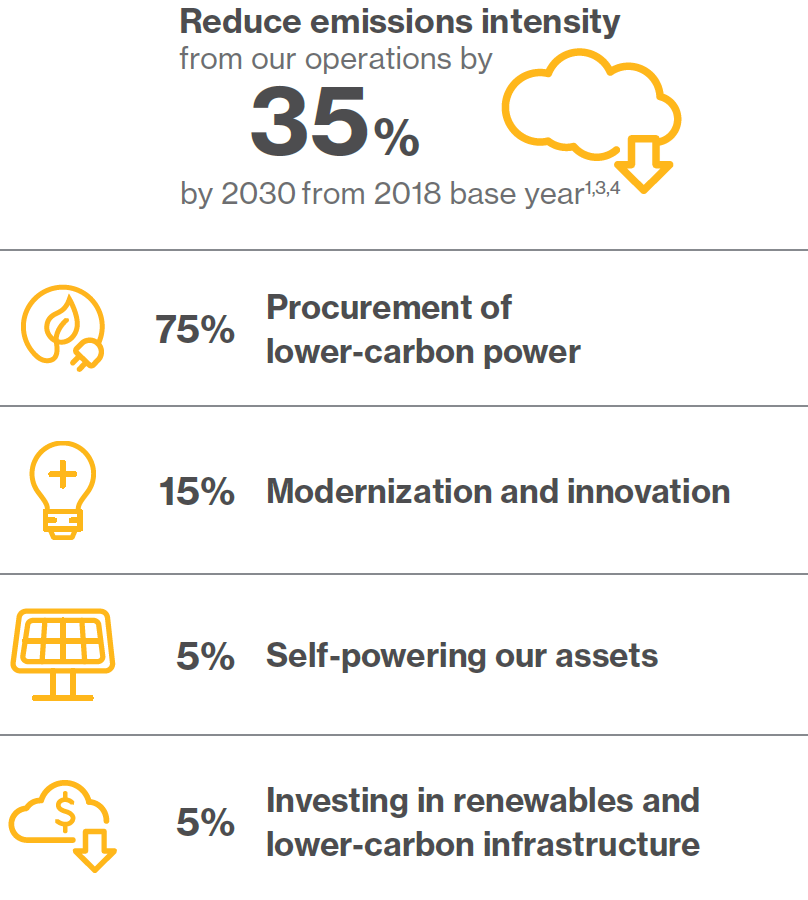
Click on the image above to see a larger version of this infographic.
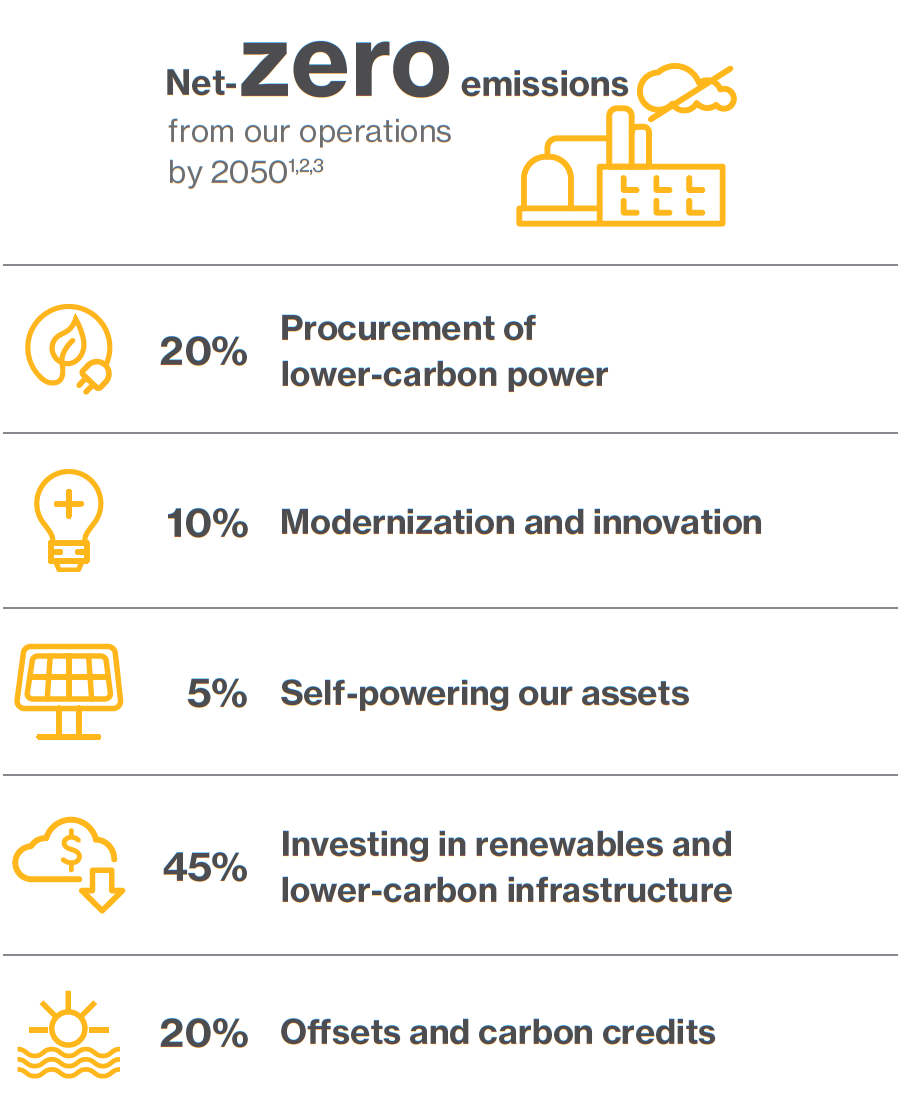
Click on the image above to see a larger version of this infographic.
1 Our target covers 100% of our reported Scope 1 and Scope 2 emissions.
2 Absolute emissions.
3 GHG emissions are from assets over which we have operational control (Scope 1 and Scope 2 emissions). Projected reductions of GHG emissions intensity and absolute emissions is relative to the 2018 baseline year.
4 This metric aggregates emissions and throughput for each business unit on the basis of tonnes of carbon dioxide equivalent (tCO2e) per energy delivered in petajoules (PJ).
5 The percentages outlined in our illustrative reduction pathways are forecast-driven using estimated emissions (tCO2e) and volume (PJ) information, presented as potential pathways to guide strategic planning and development.