



Operating reliably and responsibly
Energy access, reliability and affordability
At Enbridge, accessibility, reliability and affordability are foundational to delivering energy across North America. Every day, we transport approximately 5.8 million barrels of crude oil and liquids and 20.5 billion cubic feet of natural gas to heat homes, support businesses and power the economy. Our liquids pipelines and gas transmission assets efficiently and safely move energy from where it is produced to where it is needed, helping maintain reliable and affordable supply across the continent. Our natural gas utility operations provide the direct connection to customers, delivering dependable energy to homes and businesses, supported by programs that help manage costs. Complementing these systems, our renewable power portfolio adds diversified electricity generation capacity, contributing to longer-term efforts to support affordability and system reliability.
The global demand for energy is increasing, driven by various factors, including rapid growth of data centers and artificial intelligence, a growing population and expanding industrial activities. While demand patterns are evolving, energy systems must balance growth, efficiency, and affordability considerations. Within this framework, it is important that we work to provide continued access to the energy people need today, while preparing to meet the demands of the future, with hydrocarbon exports and renewable energy projects that also support Europe.

Asset integrity
At Enbridge, safety is a core value—not only for employees and communities, but also for our operations. Through our training, management and internal communications, we strive to cultivate a culture of safety and reliability, recognizing the inseparable connection between the reliability and integrity of our assets and the safety of our employees and communities.
Pipeline integrity programs
Pipeline inspections
We use in-line inspection (ILI) practices to assess the condition of our assets and plan maintenance activities across our pipeline systems. In 2025, we inspected 38,188 km (23,729 miles) of pipelines for geometry, corrosion and cracking threats, and used leading-edge ILI technologies including:
Using robotic tools for challenging inspections
Distribution pipelines often have smaller diameters, sharper bends and more branches than transmission pipelines, adding complexity to ILI practices.
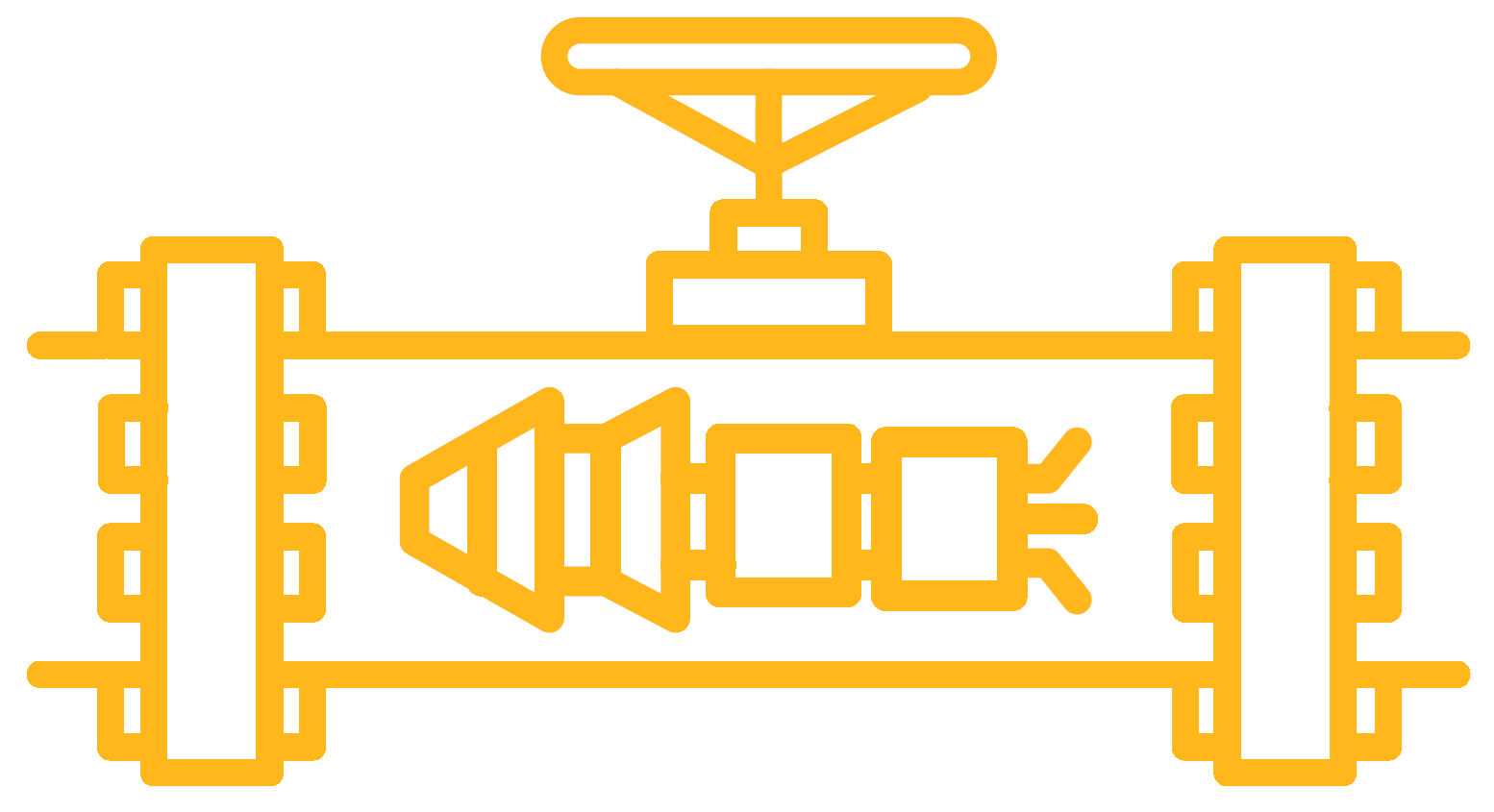
Conventional ILI technologies can move through pipelines free-swimming but require two different points for launch and retrieval. We have begun using robotic “crawling” ILI tools that can be launched and retrieved from the same point. Equipped with a camera, they can detect and move around obstacles, avoid branches and navigate through sharper bends.
In 2025, we inspected five distribution pipelines (totaling a distance of 17.9 km (11.2 miles) across Ontario using these specialized ILI tools. We’re using the results from those inspections as part of the integrity program to assess the reliability for similar pipes.
Developing a custom tool to detect corrosion
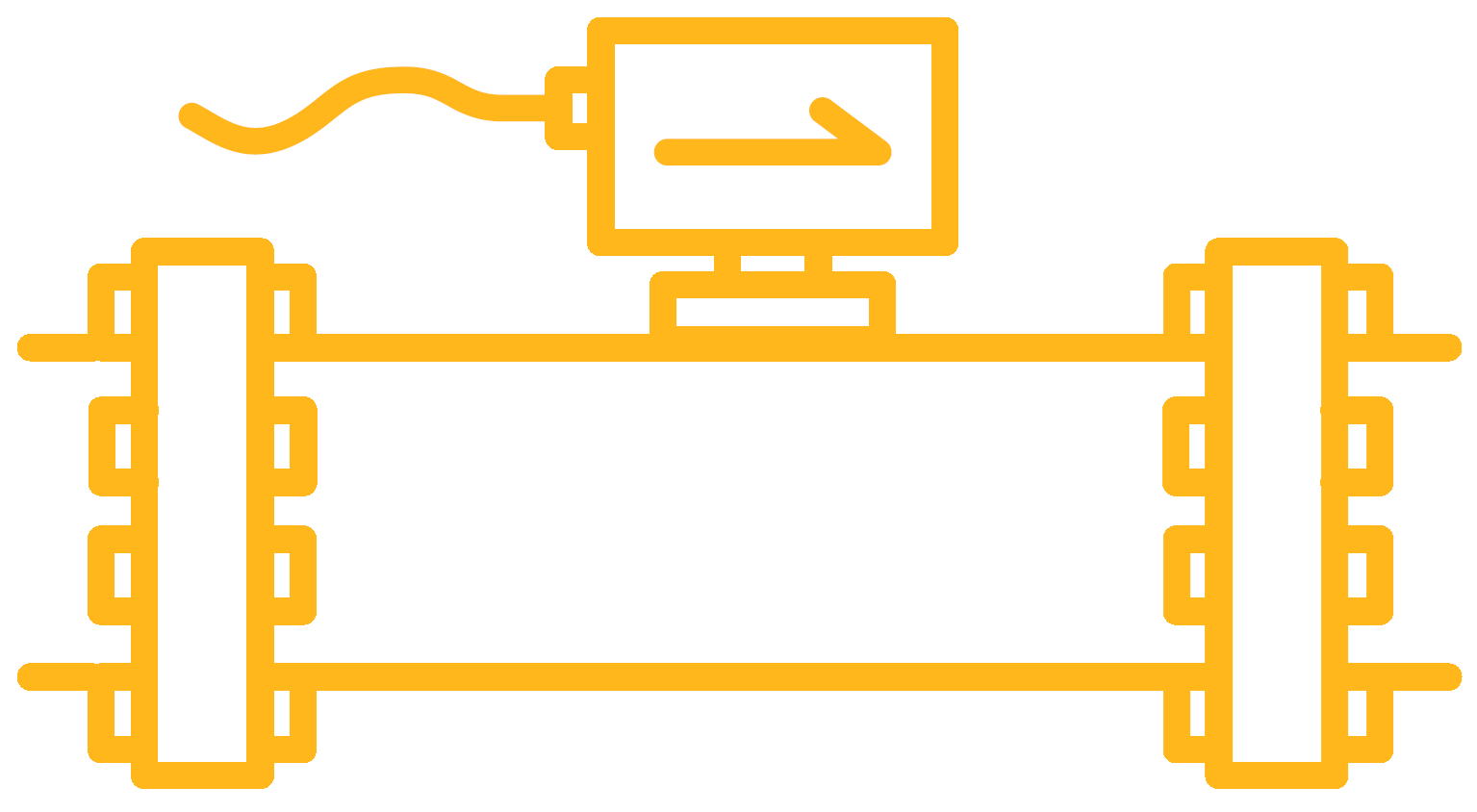
Building on our continuing use of crawling ILI tools, in 2025 we partnered with an external vendor to develop a customized tool that combines an existing tethered crawling tool with an instrument that detects corrosion damage or metal loss.
The unique combined tool—a first of its kind in the world—was developed to inspect two parallel 12-inch gas lines running under a navigable waterway and an international crossing in the U.S. previously considered “non-piggable,” or not possible to inspect with an ILI tool.
The crawling tool was outfitted with two technologies: 1) an eddy current array, which combines multiple units that rapidly inspect large areas of the pipe’s inner surface, and 2) bi-directional axial magnetic flux leakage, which magnetizes the steel then detects any magnetic field “leaks,” allowing the pipeline to be monitored for possible corrosion or metal loss.
The successful deployment of the tool has provided valuable data which is being used to make asset lifecycle decisions.
Using drones for aerial inspections
We continued to use magnetometry technology for aerial inspections of our GTM assets, inspecting 27 sites in 2025. The technology uses a portable magnetometer mounted to a drone. During aerial surveys, the magnetometer records magnetic field data, which is then processed to rapidly and precisely map subsurface attributes including metal objects and pipeline position. Magnetometry helps identify depth of cover changes and check whether ground movement has affected a pipeline segment, as it can measure small movements of the pipeline to within 2.5 cm (1 inch).
We can deploy the drone when and where it is needed, without advanced scheduling or service disruptions. This technology is especially useful for inspecting right-of-way conditions and ground stability after heavy rains and floods, when limited access and timeliness reduce our inspection options. We are also incorporating new learnings including identifying right-of-way constraints (like vegetation height and thick tree canopy) that can degrade data quality.
Improving crack detection with sound waves
In 2025, we ran our first deployment of a new crack detection tool designed specifically for gas systems. The tool, developed through a collaboration between Enbridge GTM and NDT Global, combines multiple state-of-the-art gas-coupled ultrasonic transducers to generate sound waves in the pipe to detect, characterize and size stress corrosion cracking and similar cracking threats. The tool leverages more than 20 years of experience acquired by NDT Global managing cracking with ultrasonic ILI tools designed for liquids systems.
This detection technology enables us to improve proactive identification of any features of concern within the pipeline while reducing unnecessary integrity digs and blowdowns—and the associated release of greenhouse gases—and improves our resource allocation to higher risk assets.

Land and biodiversity
Through our operations, we interact with nature. Nature can be understood through four interconnected realms—land, ocean, freshwater and atmosphere. Biodiversity—the variability among living organisms—is an essential component of nature that supports ecosystem productivity, resilience and adaptation to change. By respecting nature and focusing on maintaining biodiversity, we can help preserve ecosystems essential to human life.
Sustainability in action
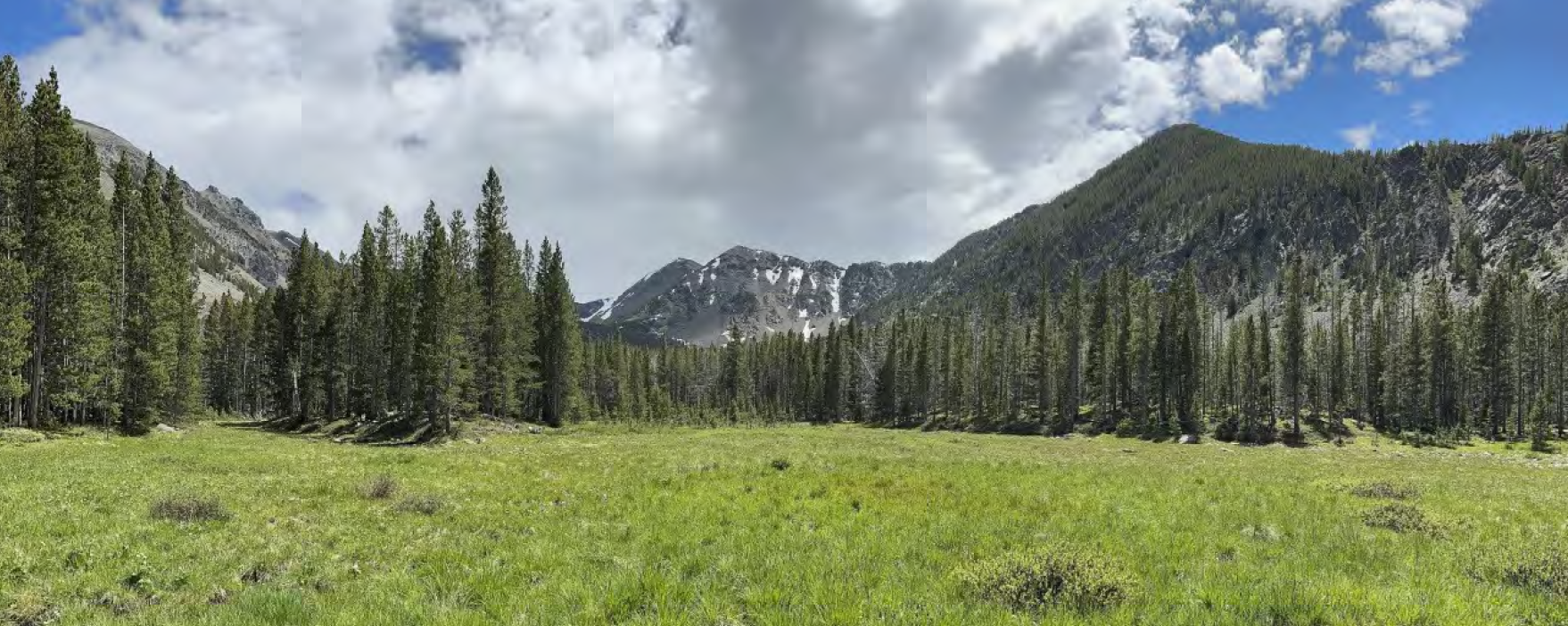 Photo courtesy Gary Sullivan, The Conservation Fund
More than a decade of supporting conservation successes
At Enbridge, we invest in programs that directly support and promote environmental stewardship and conservation. This is why, in 2011, we provided a seed investment of US$2.85 million to The Conservation Fund, a U.S. nonprofit organization focused on environmental preservation and land conservation. The investment was used to create the Enbridge Revolving Fund, a self-sustaining pool of money established solely for advancing conservation projects.
The Revolving Fund is a unique, self-replenishing financial mechanism—as project loans are repaid, or if revenues are generated from the initial investment, the capital is replenished and reinvested into new projects.
For more than 14 years, through the ready capital of the Revolving Fund, Enbridge has helped to protect several high-priority landscapes across the United States including the recent protection of:
- 108 acres at Cape Meares National Wildlife Refuge in Oregon
- 150 acres with Indigenous cultural and ecological significance in Texas
- More than 500 acres of prime wildlife habitat in Montana
- Nearly 4,000 acres of wetlands, uplands forests, grasslands, streams and lakes in Indiana
To date, Enbridge’s dedicated conservation capital has helped protect more than 120,000 acres through diverse projects across the U.S.
Enbridge Revolving Fund: Key impacts 2011-2025
- US$2.85M investment
- 20 total projects
- 13 U.S. states
- 125,422 total acreage of projects
- US$128.2M total fair market value of projects
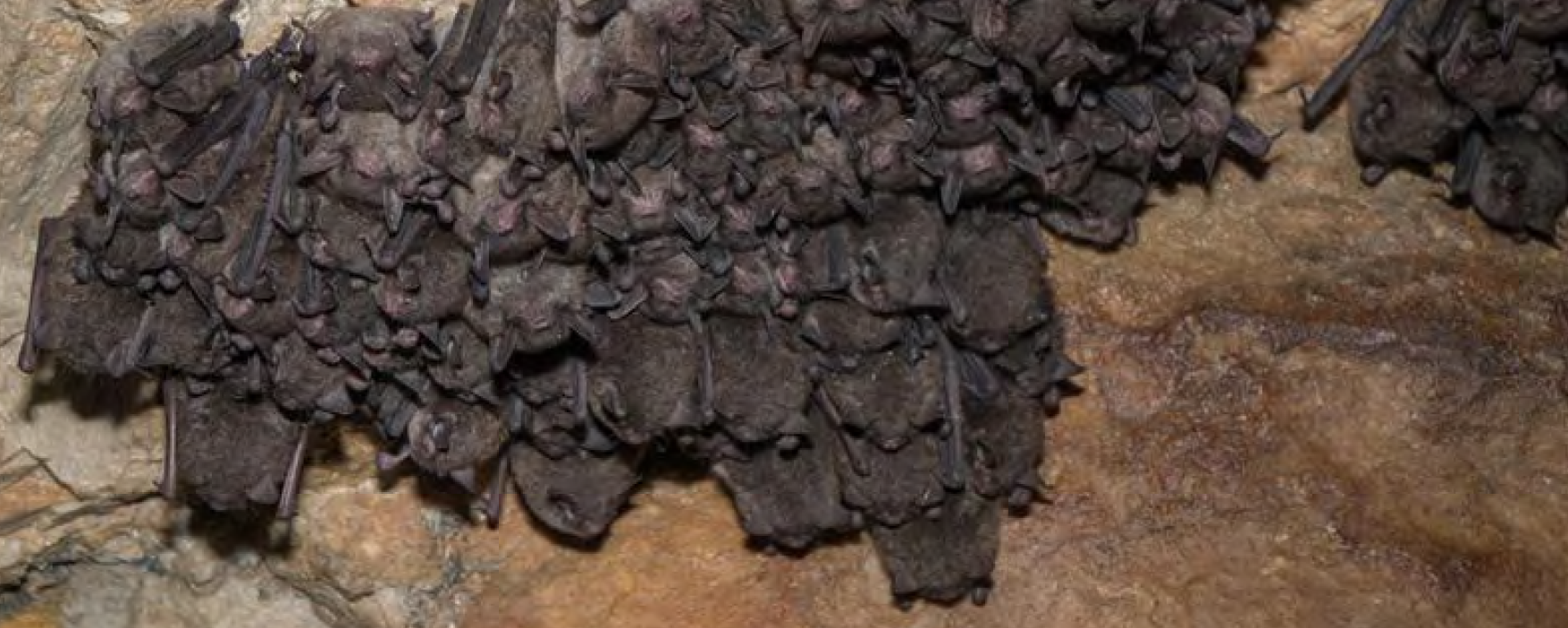 Photo courtesy Steve Orr, The Conservation Fund
Protecting the endangered Indiana bat
During construction of our Flanagan South Pipeline, we worked with the U.S. Fish and Wildlife Service to set up the Flanagan South Pipeline Mitigation Fund to mitigate the impacts of our work on the environment. Managed by The Conservation Fund, our mitigation fund helps protect and restore habitat for high-priority species around the project area.
One of the most significant projects supported through the mitigation fund is the protection and restoration of the largest hibernation habitat for the endangered Indiana bat population in the country.
An abandoned mine in Hannibal, Missouri, provided the perfect underground location for approximately one-third of the Indiana bat population. With support from the mitigation fund, The Conservation Fund secured the mine system and 185 acres of land on the surface and undertook restoration efforts to create the Sodalis Nature Preserve in 2016.
To protect the bat hibernaculum, The Conservation Fund had bat-friendly gates installed at all mine openings to keep people and larger animals out while allowing the bats passage into the mines. According to biennial census results, the number of bats hibernating in the mines increased from approximately 167,400 in 2015 to more than 222,000 in 2024.
Now owned by the City of Hannibal, visitors to the park can view the endangered bats during the spring and summer during their nightly emergence, as well as explore the preserve year-round with walking paths and educational nature programs.

Cybersecurity
As a provider of essential energy infrastructure, we adopt the same attitude toward cyber safety as we do toward our physical safety: staying alert, cautious and ready to respond immediately to any concerns and threats. Cybersecurity is a vital aspect of how we help protect our Company and customers.