



Building meaningful connections
Indigenous engagement and inclusion
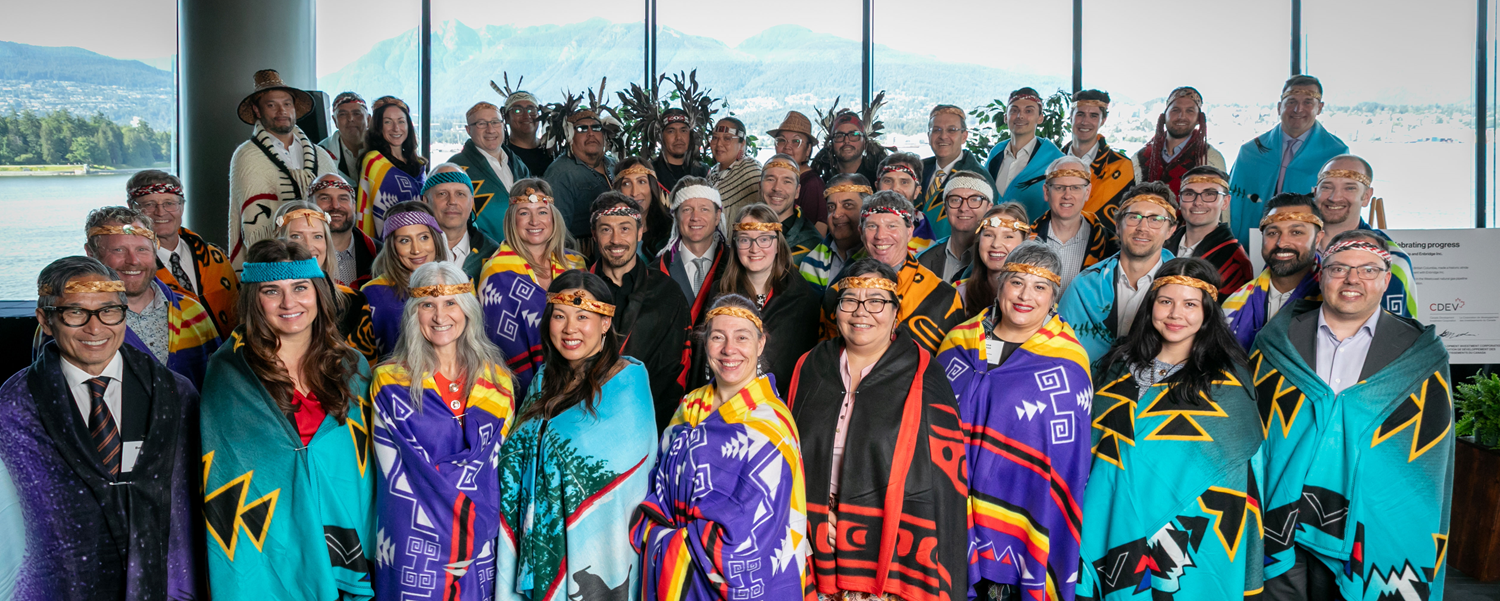
Enbridge is committed to respectful, productive engagement and collaboration with Indigenous Peoples. Our extensive relationships with Indigenous groups1 span our operations across North America—we engage with more than 300 Indigenous Nations and groups in Canada and 30 federally recognized Native American Tribes in the U.S. We seek to build lasting and respectful relationships. While we have worked to expand Indigenous inclusion within our projects and operations and across our Company, we recognize that more remains to be done.

1 In this report we use the term “Indigenous groups” when referring to Indigenous Nations, governments or groups in Canada and/or Native American Tribes and Tribal associations in the United States. We have the utmost respect for the unique rights and individual names of Indigenous groups across Turtle Island. This collective term is used solely for the purpose of the readability of the Sustainability Report.
Sustainability in action
Supporting cultural preservation during major projects
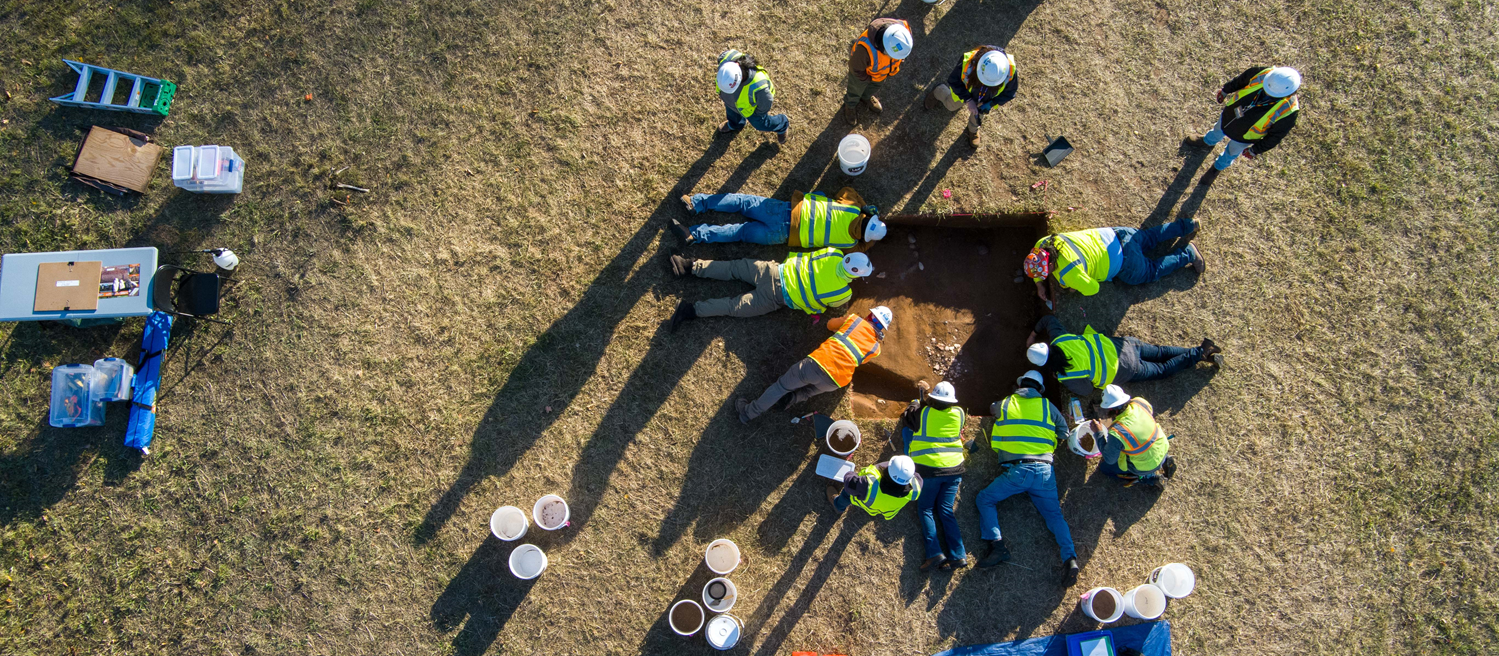
As part of our efforts to build meaningful and productive relationships with Indigenous groups, Enbridge works to support the preservation of Indigenous cultural resources during major project construction. One of the ways we do this is by incorporating an Indigenous Monitoring Plan into our construction and environmental strategy on projects where a new right-of-way is planned. These monitoring plans are designed to strengthen safety and environmental oversight by integrating Indigenous knowledge and participation throughout the project lifecycle.
A key component of these plans is the Indigenous monitoring program, in which Enbridge hires Indigenous Cultural Monitors to identify any archeological findings or artifacts during construction. Indigenous Cultural Monitors are tasked with observing, documenting and reporting daily construction activities to verify that environmental and cultural values are protected and respected.
As Indigenous monitoring is an important part of these projects, Enbridge also supports efforts to train and develop new Indigenous Cultural Monitors near our operating areas.

Two recent examples include:
Wisconsin
For the past two years, Enbridge has supported Niibowa Anijiiminan Archaeological Field School, a Native American-owned and operated school managed by B&W Services.
In partnership with Dirt Divers Cultural Resource Management and AECOM, the school uses mock dig sites to train Indigenous community members to conduct archeological work, enabling students to earn certification as a Cultural Monitor. Created by the school’s instructors, these sites enable hands-on field training that teaches students how to conduct cultural surveys and photograph, excavate, map, identify and catalogue any finds. In addition to ongoing funding, in 2025, Enbridge also provided access to Line 5 right-of-way for 10 days of field training. Over the past two summers, 23 students have been trained at the field school. Once certified, Cultural Monitors can then be hired for Enbridge’s Line 5 Wisconsin Segment Relocation Project or provide services for other projects.
British Columbia
In addition to Indigenous Monitors, Enbridge also supports the development of Indigenous Participants, a broader term referring to any Indigenous individual, community member or organization taking part in a project-related process (e.g., consultation, engagement or assessment).
Indigenous Participants provide feedback, share concerns and contribute cultural knowledge.
In British Columbia, we sponsored an archaeological course to train and certify Indigenous Participants to work with us on our Aspen Point Program.
Incorporating daily classroom time and fieldwork, this five-day course trained crew level staff in inventory skills for archaeological finds and culturally modified trees.
Participants receive provincial registration and a certificate upon passing, and can then be hired by project contractors. Since 2023, eight Indigenous groups have together logged more than 16,500 hours of Indigenous Participation on our Aspen Point Program.
Other recent efforts in engaging with Tribal and Indigenous groups around project routing and cultural surveys include Enbridge’s now-complete Line 3 Replacement Project in northern Minnesota, which incorporated a Tribal Cultural Resources Survey that was the largest of its kind at the time.

Project Rocket: Propelling economic opportunity for Indigenous communities

In September 2022, Enbridge and Athabasca Indigenous Investments (Aii) announced a landmark equity partnership. Through the agreement, known as Project Rocket, the 23 First Nation and Métis communities that formed Aii acquired an 11.57% interest in seven Enbridge-operated pipelines in the Athabasca region of Northern Alberta.
At the time, Project Rocket was the largest energy-related Indigenous partnership in North America. It provides the participating Indigenous groups an opportunity to obtain multi-generational economic benefits that position the communities for long-term success.
Over the past three years, Aii communities have earned more than $25 million from their initial equity investment. Each of the 23 participating Indigenous communities independently determines how the funds will be allocated to support community priorities, including capacity building, community infrastructure and long-term economic growth.
For Whitefish (Goodfish) Lake First Nation, returns from Project Rocket and other investment opportunities supported the development of a new community multi-plex centre. Opened in April 2025, the facility includes an ice rink, commercial kitchen and an indoor walking track, as well as a space for community programming and connection.
For Willow Lake Métis Nation, these returns and other investment opportunities supported the development of a community a farm intended to strengthen food security and community well-being. Recently, the community welcomed a new herd of wood bison to the farm. Funding from Project Rocket supports the farm’s success and delivers meaningful benefits for current and future generations.
Stakeholder and community engagement
Consistent and meaningful engagement with our stakeholders is important for demonstrating transparency, facilitating open and informed dialogue and sharing our story. Ongoing engagement is essential for fostering and sustaining long-term, mutually beneficial relationships with our stakeholders, including communities and landowners, policymakers and regulatory bodies. By attentively addressing feedback and aspirations through open dialogues and partnerships, we aim to support effective cooperation with all stakeholders.
Our approach
We use a four-step community engagement process to help us identify, understand and engage with community members about opportunities or concerns during operations and project planning. Informing and listening to stakeholders in the earliest stages of project planning enables us to address, anticipate and adjust to stakeholder needs.
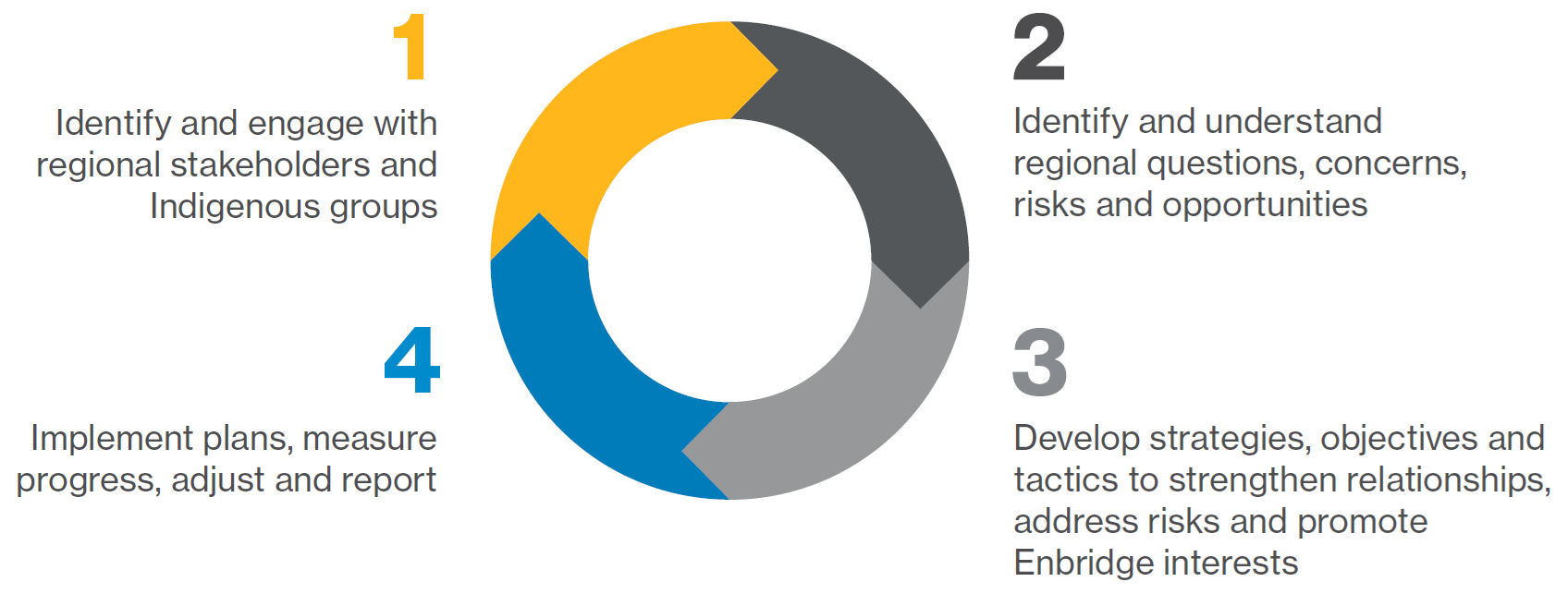
Click on the image above to see a larger version of this infographic.